Category Archives: about me

Leap of Faith

So: I can’t change how I feel in social situations because I can’t change my beliefs, and I can’t change my beliefs because I can’t change how I feel in social situations.

Right now my life is like this: beliefs + action = I’m a fucking failure

For example, I just RSVP’d “yes” for a game night on Friday. My thoughts are already telling me I’ll be awkward, people will see that I’m awkward, and because of this they won’t like me, etc. etc. etc. These thoughts will probably intensify over the week, culminating with me telling myself I’m going to fail and I probably will fail if I’m telling myself I’ll fail–which will reinforce my beliefs. So … what do I do? Logic tells me it’s irrational to believe I’ll just wake up one morning and be anxiety free–hence, change must come from my beliefs. But how can I change my beliefs if they are just reinforced by my actions? Leap of faith? Whatever that means. Suddenly believing everything will be fine is absurd. My beliefs are deep-seeded. As beliefs become stronger and stronger, they sink deeper and deeper in my intuition. Change must come there but it has to start in my logic.

I’m thinking too much about this. Off to do some CBT …

Perfectionism: Past, Present, and Future

Like most kids, I experienced lots of changes when I entered middle school. Most of my good friends from elementary school attended different middle schools, and that, coupled with the enormous pressure to fit in, meant a lot of change for me. I had to find a new clique–and fast. And I could no longer just be me. I had to be something different, something better and more profound. Suddenly, I desired popularity–everybody had to like me and seek me out for friendship.

Again, I wasn’t the only one experiencing change, but taking genetic factors into account, I believe change was harder for me (boohoo, poor me). I scrutinized, analyzed and reflected on everything I did, every move I made. Sixth grade was a very difficult year, and it was probably difficult for a lot of my peers. It’s a normal process for kids to go through, but for me, it was the start of my perfectionist tendencies–and the beginning of Social Anxiety Disorder.

I took every “failure” hard. When I didn’t get picked first for dodgeball in gym it wasn’t because I didn’t know the person picking very well or because I may not have done very well athletically the last time we played dodgeball, but because I was inferior, ugly, and altogether unlikeable. If I didn’t get an A+ on a math test I failed, and I had to do better the next time. I felt terrible when I didn’t get invited to a movie or to sit at a certain table at lunch or to a birthday party–all because of my inherent, negative qualities that everyone could see. I took everything personally. If I wasn’t first, I was last, and, more often than not, I was last. If I knew I couldn’t win at something, I wouldn’t even try. I stopped putting myself out there for friends, focusing less on things I couldn’t control and more on tangibles that I could control like my appearance and test scores.

And, since it’s impossible to always be number one and in total control of everything, I began to withdraw. I withdrew from sports because I was no longer the most athletic person. I stopped hanging out with certain friends because they were smarter, better looking, or funnier than me. I stopped raising my hand in class because whatever I had to say was never good enough.

I told myself I didn’t really want the things I so desperately wanted. When I didn’t get invited somewhere, I always found an excuse why I didn’t want to go in the first place. This not only made me feel like shit; it fueled my perfectionism, as well. If you tell yourself you don’t want something that you really want, it only fuels the desire. So, by telling myself I didn’t want to go to the movies with friends, for example, this only intensified my desire to connect and be included.

Even when I found a clique to hang out with, I still didn’t feel accepted. I had to always be on guard for the slightest signs that my new friends didn’t really want to be friends with me–they just “allowed” me to hang around because they felt sorry for me or something. Every word, every look, everything they did, I analyzed. And when you look at everything that closely, you’re bound to find something–and I did.

Over time, the things I found built up until I couldn’t trust anybody anymore, and I dumped all my friends.

***

Perfectionism is an ugly beast which has dominated most of my life. It started in middle school; its voice developed in high school and college, growing stronger and stronger; and it continues to control my life today–even in this very moment. As I write this, the voice in the back of my head is saying–

No one likes you or your little blog. You can’t write and, besides, nobody cares about your thoughts anyway. You should just give up.

***

So, now that I know all this, the obvious question for me is how do I control this perfectionist voice? I don’t think it’s a matter of control. I’m never going to be able to control my thoughts. Thoughts come, thoughts go. It’s up to me, though, to decide if I grab a hold of those thoughts and give them power or not.

For example, just yesterday I had some negative thoughts regarding my therapy appointment–

You’re not making any progress in therapy, they said. Your therapist is getting frustrated. Eventually he’ll quit on you; so you should quit first to avoid getting hurt.

When they came I immediately told myself to STOP! In that moment I made a choice not to let my thoughts drag me down. Instead, I focused on something else, and eventually the thoughts went away, losing their power. This obviously took a lot of awareness and practice, practice, practice on my part. Honestly, nine times out of ten, I let my thoughts get the best of me. But I am learning.

Changing my thoughts changes the way I feel, countering my perfectionist tendencies. It will take time and considerable effort, patience and persistence. The important thing is that I don’t give up because that’s what my perfectionist voice wants: to be fueled by my own pessimism.

Past Decisions

So, as you can tell, I like reflecting on the past. Call me a masochist, or whatever. But I enjoy stirring up memories and emotions from the past that I don’t normally touch on a day-to-day basis. I don’t think it helps alleviate the anxiety per se, but finding the sources helps me to better understand the world I’m living in today–which is a long-term goal of mine.

That said, lately I’ve been reflecting on my time in school, specifically college, because most people I encounter with social anxiety have a lot of problems in classroom settings. I did not however, well not on the surface at least.

Somehow I made it through my undergraduate studies without making one classroom presentation. I took a speech class, but it was on intrapersonal communication. I also chose an objective-based major (business), focusing on the sciences rather than the arts. Those classes relied more on facts than ideas and opinions. I felt fine participating in class discussions because I never had to reveal anything about myself. I could just say a quick fact and the attention would move to someone else.

What’s more, I took five humanities classes, as I minored in Philosophy, and even in those classes, I found ways to not participate. On days where I knew professors would open up the class to discussion, I wouldn’t show up. I had no problem doing the actual work–readings, attending lectures, tests etc–but when it came down to actually sharing how I interpreted something in front of others, I could never do it. The same goes for the other humanities classes I took. It’s really hard for me to admit this, but I have a much stronger interest in the arts, and subjective knowledge in general, than  science-based subjects. If I could do everything all over again, I probably would major in Philosophy or English.

Everything I do in life is so dependent on my anxiety. Every time I make a decision, I ask myself, Can I do this? Will my anxiety let me do this? It’s sad to think about how many times I’ve had to do something I don’t really like doing because I’m so hindered by anxiety.

When will it end? Will I ever have control over my life?

letter to my father

My father is a very proud man. I’ve never understood him, but for the first twenty years of my life I lived in his shadow. He influenced my way of thinking, what I studied in college and how I viewed the world. I had a role-model, somebody I could admire and look up to. In my early-twenties though things began to change, or, more precisely, I began to change.

I moved away, first to Poland and then New York and finally San Francisco. I saw new things and was exposed to new ideas, new ways of thinking. I finally got to see the opposites–the things my father rejects, and never converses about. The things that make humans unique.

I started joining radical political groups and got rid of my car and stopped eating meat, anything to piss my dad off. For once, I wanted him to recognize me for me. I didn’t care anymore if he couldn’t see himself in me.

Because of all these changes, I’ve become angry at my father, and my father has become angry at me. We rarely talk. When we do it’s awkward and forced. I say hello, he says hello, I ask how he’s doing, he says fine, and then I ask to talk to my mom. At the time of writing I haven’t talked to him in at least three months. I’m waiting for him to call–it’s his job, right?

I’ll get to the point: I no longer want to be angry with my father, and I do not like this distance between us. There may always be geographic distance, but I’d like to be closer in a spiritual sense, or at least in a father-son sense. At this point, he’s less of a father to me and more of a long, lost friend. It’s sad.

What’s more, I don’t really know how to repair the damage between us, if that’s even possible. But I think a good starting point is for me to start being honest with him.

I think the most logical part to start with is his alcoholism. He’s been a functional alcoholic most of his adult life. It’s not easy to address because he’s not the quintessential alcoholic you see on TV or in the movies. He’s never hurt anybody in the family, and we rarely see him drunk. But he still has a dependence–and it has greatly affected our relationship.

I’m also afraid of my father. He has such a big ego. Nobody can tell him anything that goes against his way of thinking, and so I think the only way to get through to him would be through writing–

Dear Dad:

I hope this letter finds you well. I know we don’t talk much, and so you must be surprised that you’re reading this right now, but I think this is something we can address later. For now, I want to jump to the point.

For the past year or so I’ve spent a lot of time analyzing my past in order to understand how those experiences create meaning for me in the present. You, being my father, are a big part of that, obviously. You’ve had your say in who I am today, and I thank you for that. I have inherited a lot of great qualities from you. I deeply care about the world and the people in it, especially those I associate with–which is why I’m writing this right now.

As you can tell, I’ve changed a lot since I moved away. I’ve taken the theories I learned from my childhood and adolescence–the things you taught me–and tested them in the real world. Some work, some don’t, and that’s okay. At this point in my life I think my most endearing quality is how open I am–I’ll listen to anything, I’ll give anybody a chance. Everybody has something to say, and everybody needs someone to listen to them. Right now I need you to be open, and I need you to listen.

I strongly believe that you are an alcoholic. You are not a fall down drunk and you’ve never laid a finger on anyone in the family, but that doesn’t mean you don’t have an unhealthy dependence on alcohol. And it’s certainly impacted our relationship. Whenever I’m home, you’re always in the basement drinking, and when you’re not, more often than not, you’ve had too much to drink. Frankly, you’re less of a father and more like comic relief for me, as sad as that sounds.

You can do whatever you want now. Your actions are your choice. But I am no longer going to be an enabler. If you want to continue drinking, I believe the distance will only increase between us, and our relationship will continue to falter. What you do now is your decision. I’ve made my choice. It’s time for you to make yours.

I may never give this to him, but it still feels good to get it out in the open.

judgments, criticisms and star trek

I’m afraid of judgments and criticisms, real or imagined. I take them hard, at their face value, and I carry them with me, forever.

For example–

  1. 17 years ago a kid on my school bus said I looked different (not in those words, of course), and I still believe I look different, in the exact same way.
  2. Ten years ago a classmate said I was stupid because I couldn’t verbalize my thoughts, because of my anxiety. Now, whenever I have trouble connecting with my thoughts, I tell myself I’m stupid.
  3. Two years ago a co-worker said I wasn’t approachable because I never smile. To this day, I still feel like I’m unapproachable, in every single situation, and I put immense pressure on myself to smile.

To me, all judgments are objective truths. I know that sounds irrational–and it is–but sometimes my logic is irrational.

In a Star Trek episode I watched today, Data found it puzzling that human beings feel the need to compete with one another. Counselor Troi clarified by saying, “Humans sometimes find it helpful to have an outsider set the standard by which they’re judged.”

“To avoid deceiving oneself,” Data said.

That’s exactly how I feel. The way I see myself is based not only on actual judgments, but on how I believe people perceive me. I use imagined, or hypothetical, judgments to paint a picture of myself, so I don’t deceive myself. They keep me in check, and they fuel my perfectionism.

I don’t want to be judged so I visualize how people could judge me in a given situation, and then try to “correct” my behavior so I don’t fall prey to those very judgments.

What’s more, more often than not, “correcting” my behavior means mimicking how others act. I need to fit in so bad because I don’t want to be judged, I can never be who I am. I can never be me. I just stay in the background, avoiding people and keeping my mouth shut.

Finally, this form of thinking–trying to guess future judgments–takes me out of the present moment and causes undue anxiety. By not being present, and instead focusing on the future, I take myself out of a non-threatening situation (because these thoughts usually come when I’m either doing nothing or something mundane) and put myself into an anxious, hypothetical situation, which causes anxiety and stress that would not be there.

social anxiety’s downward spiral

Social anxiety feeds off of negative energy, thoughts, and feelings–anything negative, really. Those negatives grow with the anxiety, drowning out anything positive. When you’re given a compliment, you don’t believe it. When you get an A on a paper, it’s not good enough. When it’s sunny, you close the shades. Eventually, you completely succumb to those negative feelings. They keep you a float, they are who you are; and they grow and grow and grow until one day you wake up in the morning and immediately filter out anything positive. You only see the world in darkness, there is no light. At that point you lose hope. You’re crippled. Everyday social interactions are almost impossible to manage. You have Social Anxiety Disorder.

If you’re reading this, you probably know exactly what I’m talking about. But if you don’t you may be wondering, How does all this start?

Unfortunately, there isn’t a clear answer, in my case at least. I can go on and on about what I feel in the present, how I’m going to feel in the future, and how I felt in the past, but it’s not easy for me to pinpoint where and when social anxiety started to manifest.

That said, I still think the answer lies in the here and now. Looking at how I interpret the world in the present, should help me understand the past.

Social anxiety started the very first time someone verbally judged me. This set off a chain reaction, causing the anxiety to grow and grow, settling into the debilitating form it’s in today. In my case, it’s hard to pinpoint the exact judgments, because there’s nothing glaring. There’s no red flags or neon signs, no arrows pointing me where I need to look.

In school I got picked on quite a bit because I was different looking. I had an under bite, bad acne, and red hair. Kids made fun of me for being different. To this day, I still wonder if people can see my under bite and acne, even though they’re gone, and I’m still conscious that my hair color is different from most others. Outside of school I remember my aunt commenting one time about how I look like I’m not having a good time. Somehow my facial expression was conveying something negative. I’m always worried about my expression. I really believe that my resting facial expression is negative.

Hearing these judgments made me wonder, Is everyone judging me negatively? And I started asking that question during every single social situation, and as the anxiety grew, I began asking it before and after each situation as well. Finally, I started avoiding social situations altogether so I wouldn’t have to ask such questions.

What’s more, the answers to that question were, more often than not, negative, which fueled the anxiety even more. I could never be good enough. I could never be smart enough. I could never be the way I thought I should be. I set myself up for defeat, in other words. Over time I began to see things in a much different light. I could no longer see the positives; negatives were the only things I could relate to. This lens or filter blocked out part of the world. I wasn’t seeing the world for what it really is; I was seeing it how I wanted to see–that is, how my social anxiety wanted me to see it.

You see, social anxiety is a being. It needs nourishment and attention, just like you and me. Those come in the form of negative thoughts, and as I fed it, it demanded more and more. Once it grew big enough, it exerted its will whenever it wanted. It no longer demanded food–I was perfectly willing to feed it myself. And as I fed it, I engaged less and less in the world, and that question–Is everyone judging me negatively?–came up more and more. Suddenly I couldn’t go anywhere or see anyone without wondering whether they were judging me.

With questions came answers, and with answers came more questions. … It’s a vicious cycle that, at its worse, leaves me debilitated, broken. I’m afraid of people, or, more precisely, I’m afraid of what they think of me.

I’m at the point where I can’t stop the questions, or the answers. It’s very, very frustrating being aware of my destructive behaviors yet not being able to stop them. This behavior is deep within me; it’s all I know. When I enter a social situation, the question is there before I can stop it, as well as the answer. It happens in less than a second. How can mindfulness work with something that happens so quickly?

As time goes by the anxiety plants it self deeper and deeper into me. The longer I went without seeking professional help, the worse the anxiety got. It wasn’t until I said enough is enough, I cannot deal with this anymore on me own, I need help, that I actually could halt the downward spiral. And I believe I’m starting to reverse the process–I’m starting to get my life back.

I know I’ll never be completely free from anxiety, but my hope is that one day I’ll be able to smile, for I know I’ll be able to recapture some of the experiences I missed out on. I have a long way to go.

Feeling terrible

So, I felt terrible last night, and I’m feeling even worse now. I went through a pretty difficult social situation earlier, where I met a friend of a friend at a museum. I’m proud of myself for going but like always it didn’t go exactly how I wanted it to go. I didn’t live up to my standards.

I felt out of place because I didn’t know what to say most of the time. The conversations felt forced, and I tried opening up, but that too felt forced. I tried so hard to connect with this person that I think I probably came across as desperate or, infinitely worse, socially inept. I kept asking myself, Can he tell that I’m anxious? What does he think of me? And the same voice answered: Of course he can tell. How could he not? He thinks you’re anxious, nervous and boring. You are unpleasant to be around.

We left the museum after an hour to go eat, and at the restaurant we sat in front of a mirror and I kept checking my expression. I looked terrible. My face looked tense and tired. I looked exactly how I felt on the inside.

Finally, on the way back to the museum, he bailed at the last minute, claiming he had to clean his apartment, by running toward a bus without even saying a proper goodbye. This confirmed my suspicions: I am shit. In the end, I feel sorry for him–that he had to hang out with me. I wish I didn’t disappoint everyone who comes in contact with me.

And now my weekend is total crap, and it was going so well. I avoided a binge last night and went running for an hour earlier today. I feel really depressed, even worse than last night.

I’m going to drink the pain away tonight.

And the same voice answeredever

Poland, part 2; or: the socially anxious traveler

This post is a continuation of Poland, part 1….

While studying in Poland, I traveled extensively throughout Europe not only to see other parts of the world, but also to get away from the other Americans. Again, I had high hopes when I returned to Poland after I fled back to the states–expectations that I couldn’t live up to. The second I got off the airplane I knew things wouldn’t be different. I wouldn’t connect with anyone or fit in or feel comfortable–and I didn’t. And so, I spent as much time away as I could.

I’d now like to document my travels, which I should have done a long time ago ..

BEFORE POLAND

New York City (January 7th-11th, 2006)

I had a blast in New York. In fact, I had such a good time, I ended up moving there a year later. We (my ex-girlfriend and I) stayed in a YMCA hostel near Times Square for a night, but after getting no sleep, because of the extremely loud steam heating system, we moved to a hotel (also near Times Square).

Unfortunately, most of the pictures taken either have me and/or my girlfriend in them. So I can’t post them.

On liberty island, looking toward Manhattan.

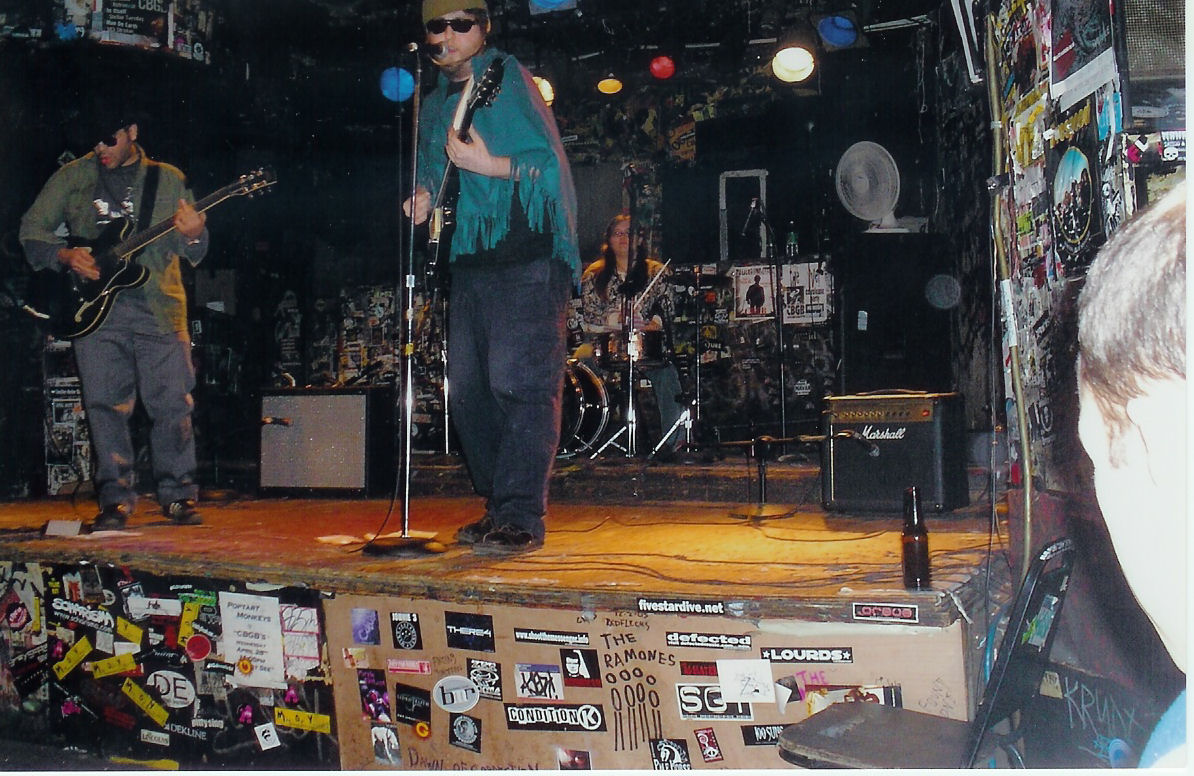
Watching a band at CBGB who described themselves as Radiohead meets Pink Floyd. They turned out to be nothing like that. It was still cool, and I’m glad I went because the club closed later that year.

London (January 12th-14th)

After New York, we flew to London. I don’t think I saw the sun once, which somewhat prepared me for the weather here in San Francisco.

Buckingham Palace

Dali Museum

Tube

Big Ben

Paris (January 15th-18th)

Paris was/is definitely one of my favorite cities. Again, I didn’t see the sun or sky, but the wonderful architecture made up for it. I also fell in love with crepes and nutella–and nutella on crepes.

Arc de Triomphe

Madrid (January 19th-23rd )

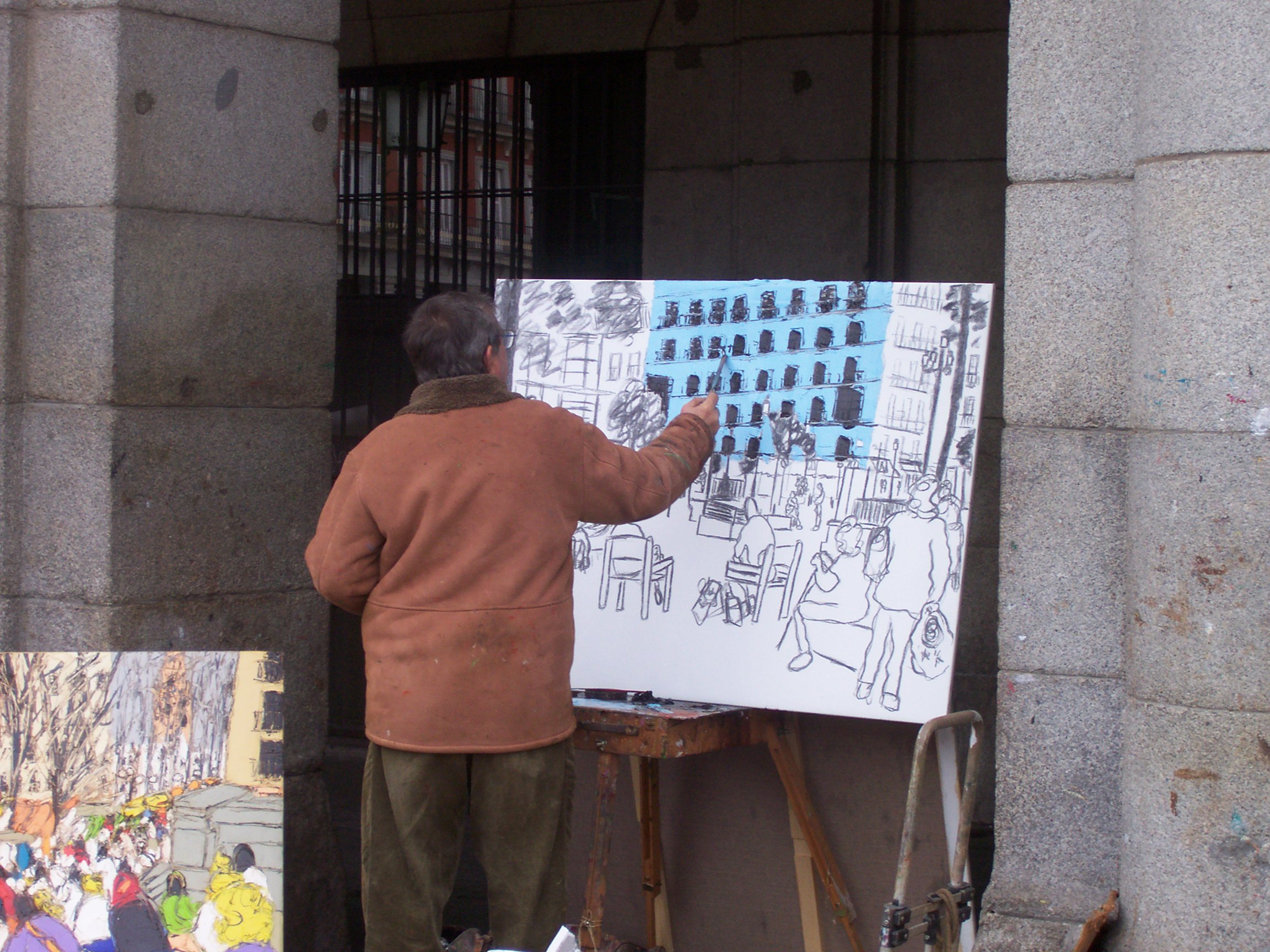
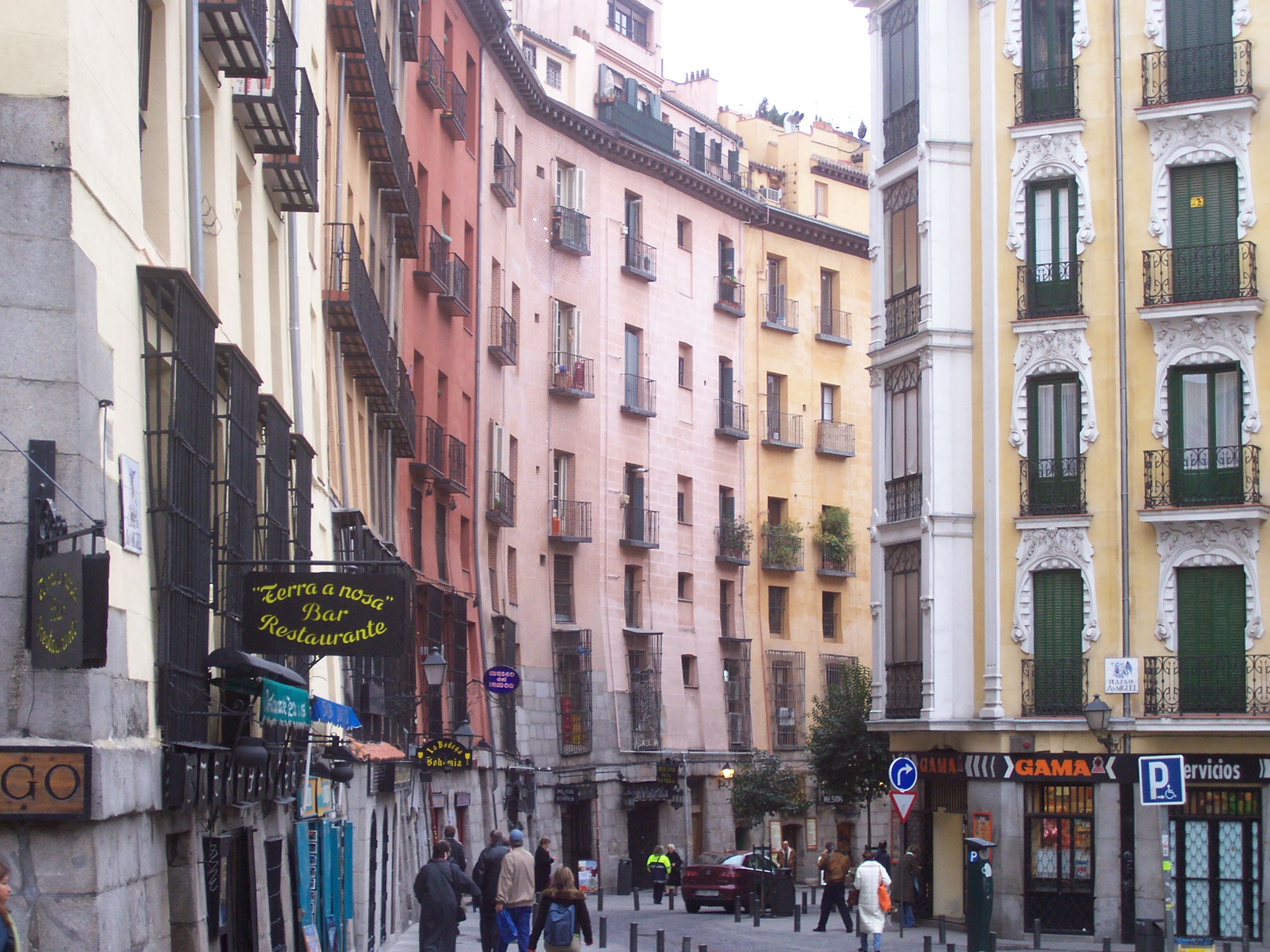
Next up was Madrid. I honestly didn’t care for the city (aside for the Prado Museum), but that could be because I was starting to get a bit burned out. I did get some sun, though. These pictures are of no significance ..

Rome (January 24th-27th)

I got sick the first day in Rome. I didn’t really enjoy the city. If I wasn’t sick and was Catholic I probably would have enjoyed it more. I’ll make a mental note of that in case I ever go back.

Vatican Museum

Ancient ruins

Colosseum

DURING MY TIME IN POLAND

Budapest (February 10th-12th)

So, as I said in my previous post, my first few weeks in Poland were hard–so hard, in fact, I had to go home. When I returned, a week later, all the Americans welcomed me back by feeding me shots of vodka. We all went out that night. I don’t remember much. In the morning I awoke to an angry girlfriend who said she was going to go to Budapest to visit her ex-boyfriend–who she dated when she lived in Hungary with her family on an exchange program–because I apparently did something stupid the night before. She wouldn’t say what exactly, and I was still a bit drunk so I didn’t care.

In retrospect, I don’t think I did anything–she was just looking for an excuse to see her ex-boyfriend.

Anyway, my girlfriend left, and I went back to sleep. I got up again a few hours later. Sober, I realized what had happened, and so I hightailed it to Budapest. I don’t remember much of the city because I honestly didn’t do much. I spent most of my time in a hotel, hungover.

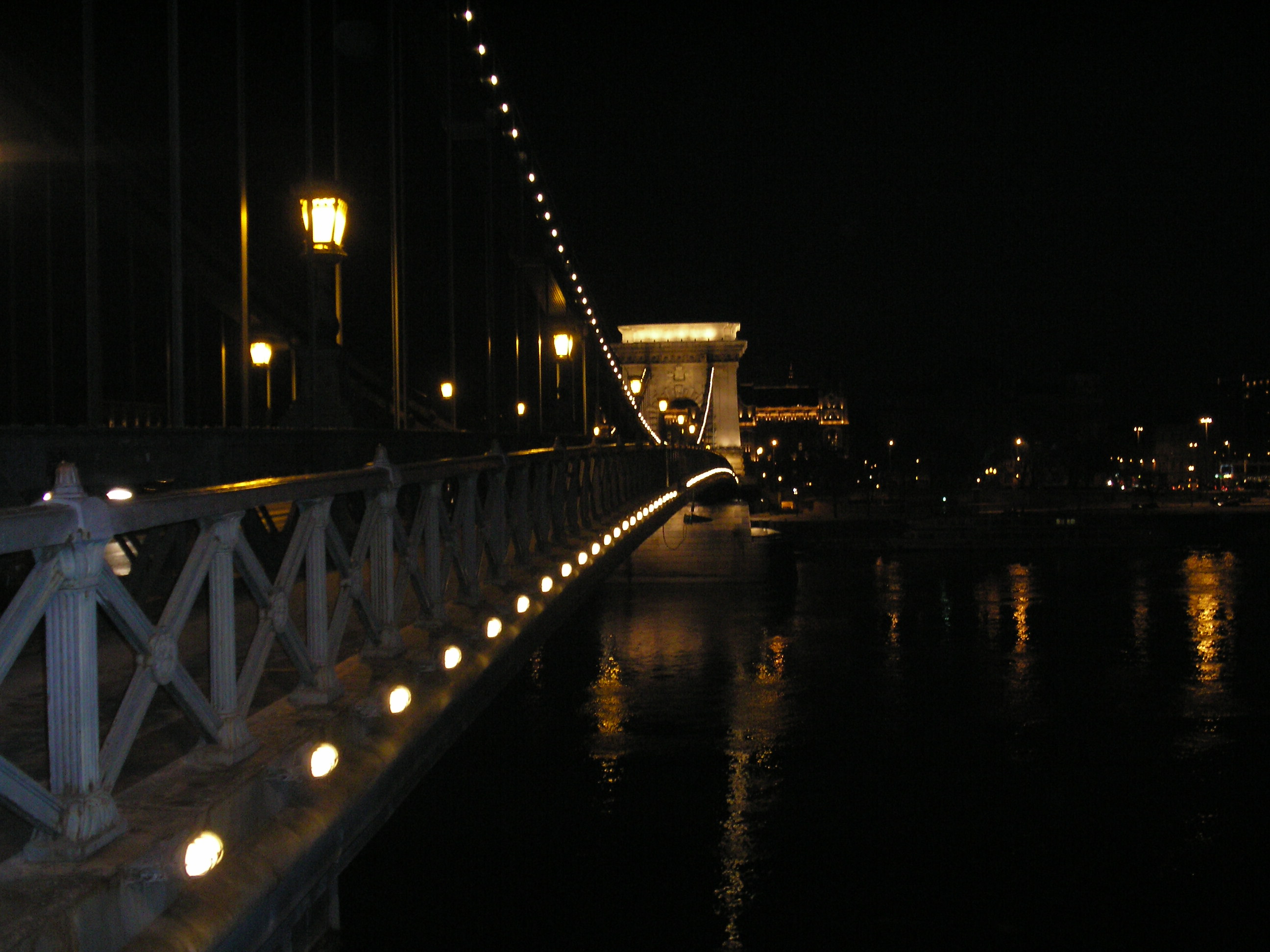
Chain Bridge

Prague (March 9th-13th)

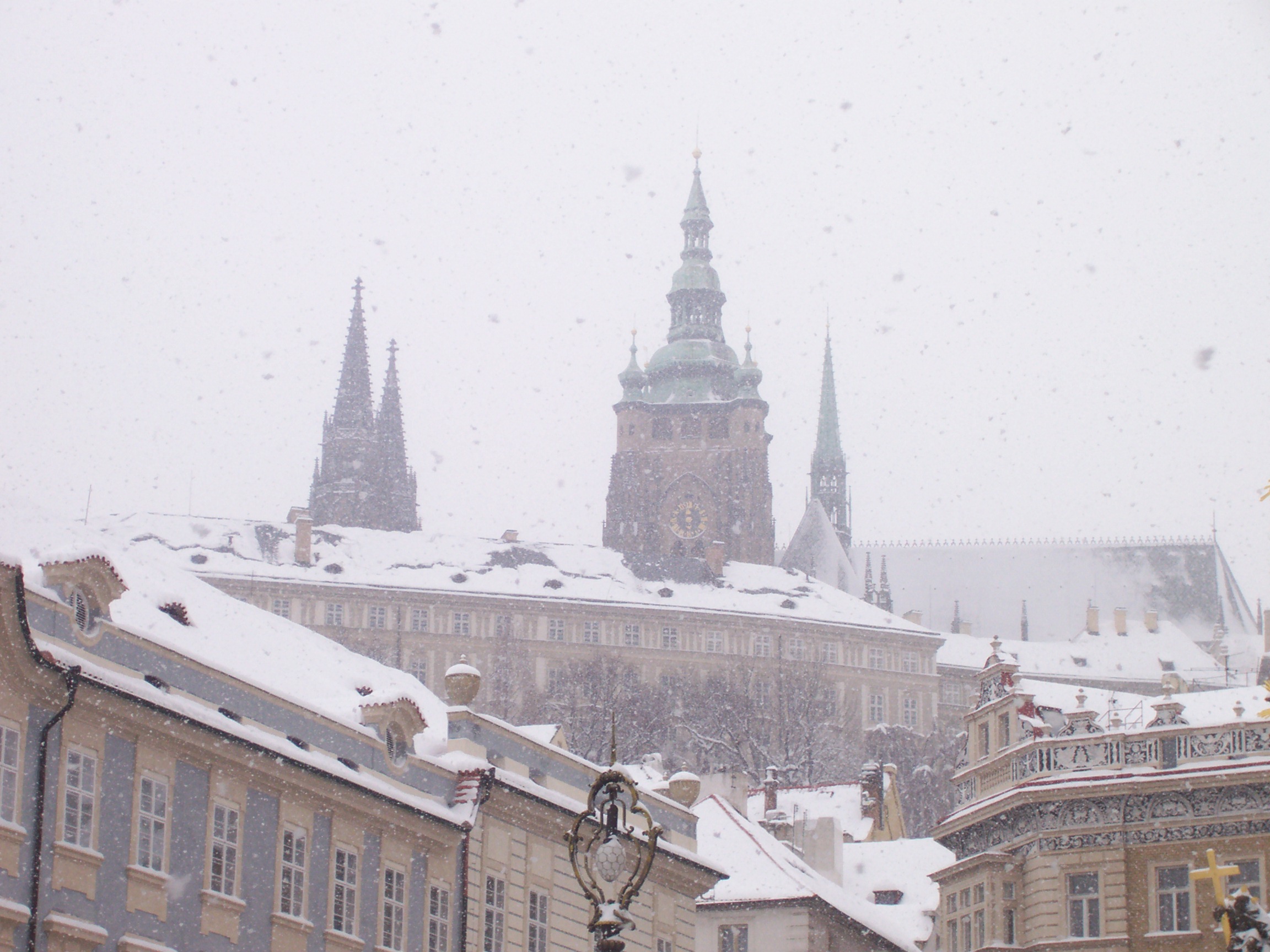
After Budapest I had a month of social hell–everything from attending classes to going on a pub crawl (and blacking out) to leaving my room to brush my teeth was very difficult. That said, Prague was an amazing city–one of my favorites, architecturally speaking. Oh, and we also got snowed in for a night.

Prague Castle

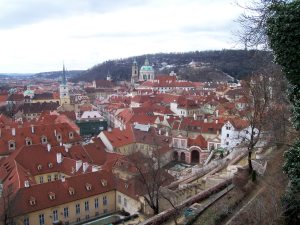
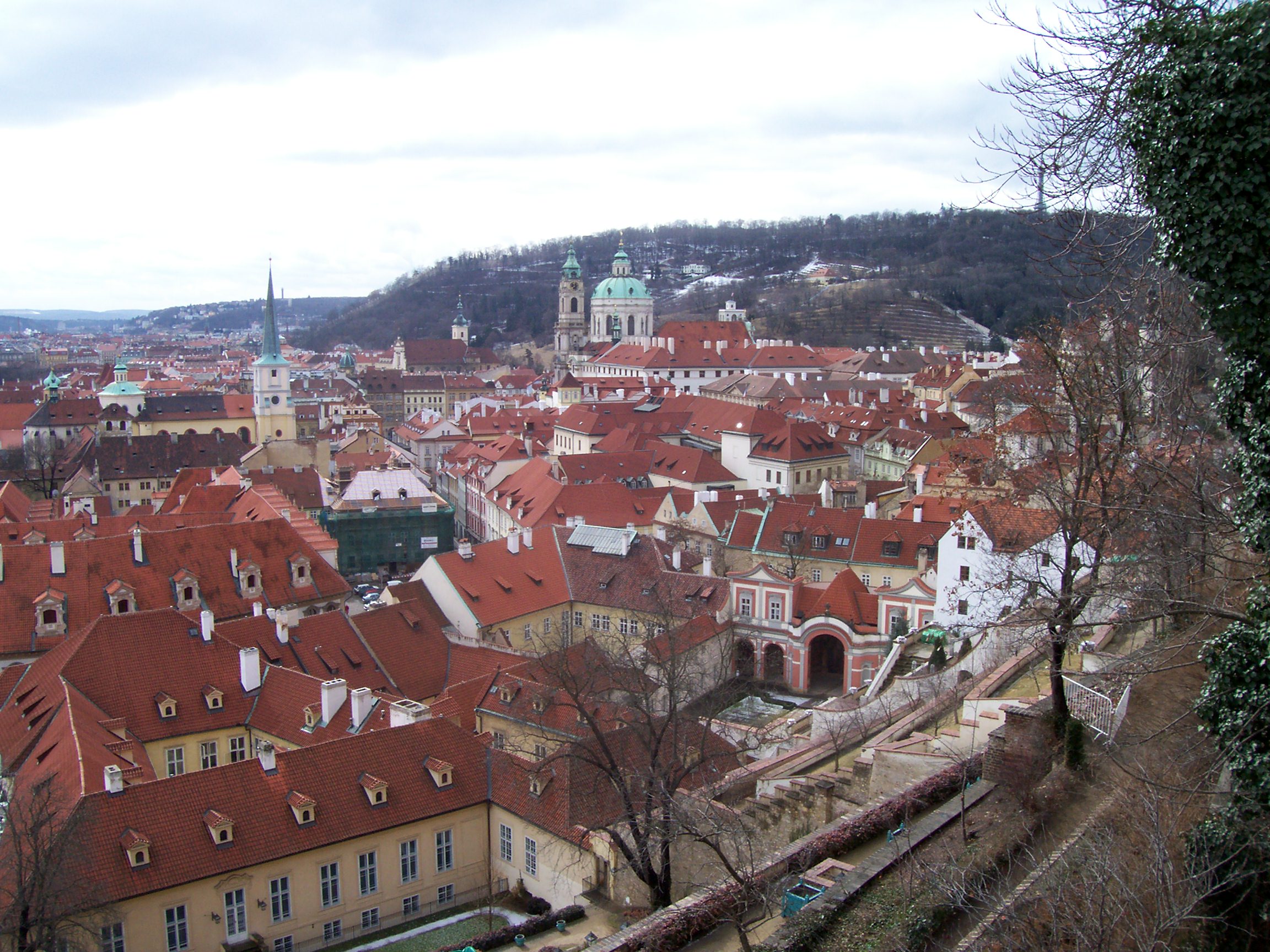
Red roof city

Drinking the pain away ..

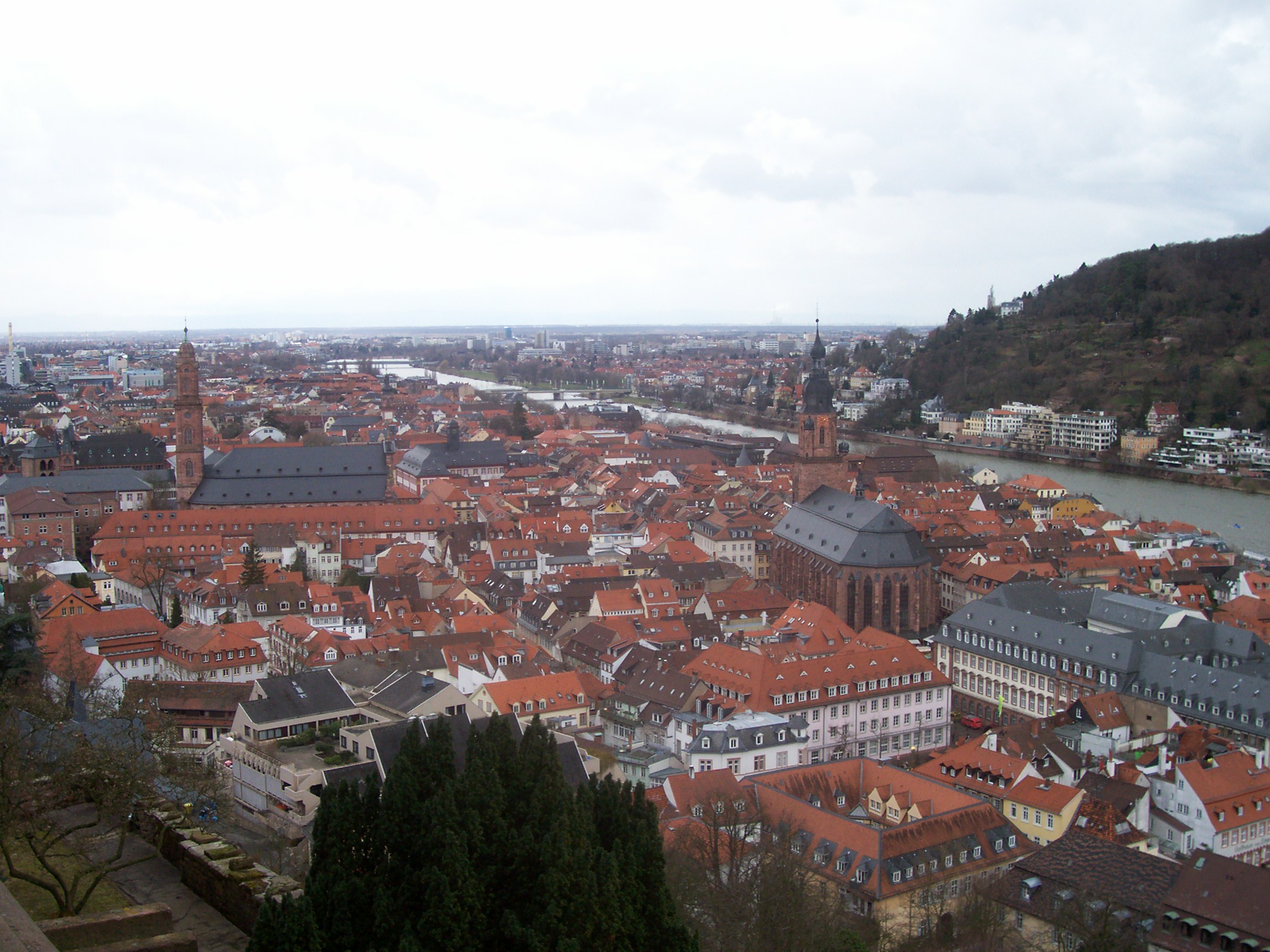
Germany: Frankfurt and Heidelberg (March 24th-26th)

We flew on a discount airline (like $20 a ticket) from Warsaw to Frankfurt–a boring, ultra-modern city, I felt like I was in the financial district of NY–and then took a train to Heidelberg, a small college town in the south-west portion of the country. I enjoyed the city.

Skyscrapers in Frankfurt

Tree path in Frankfurt

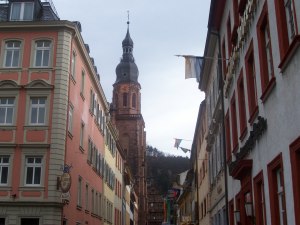
Heidelberg–red roof city 2

Famous church in Heidelberg

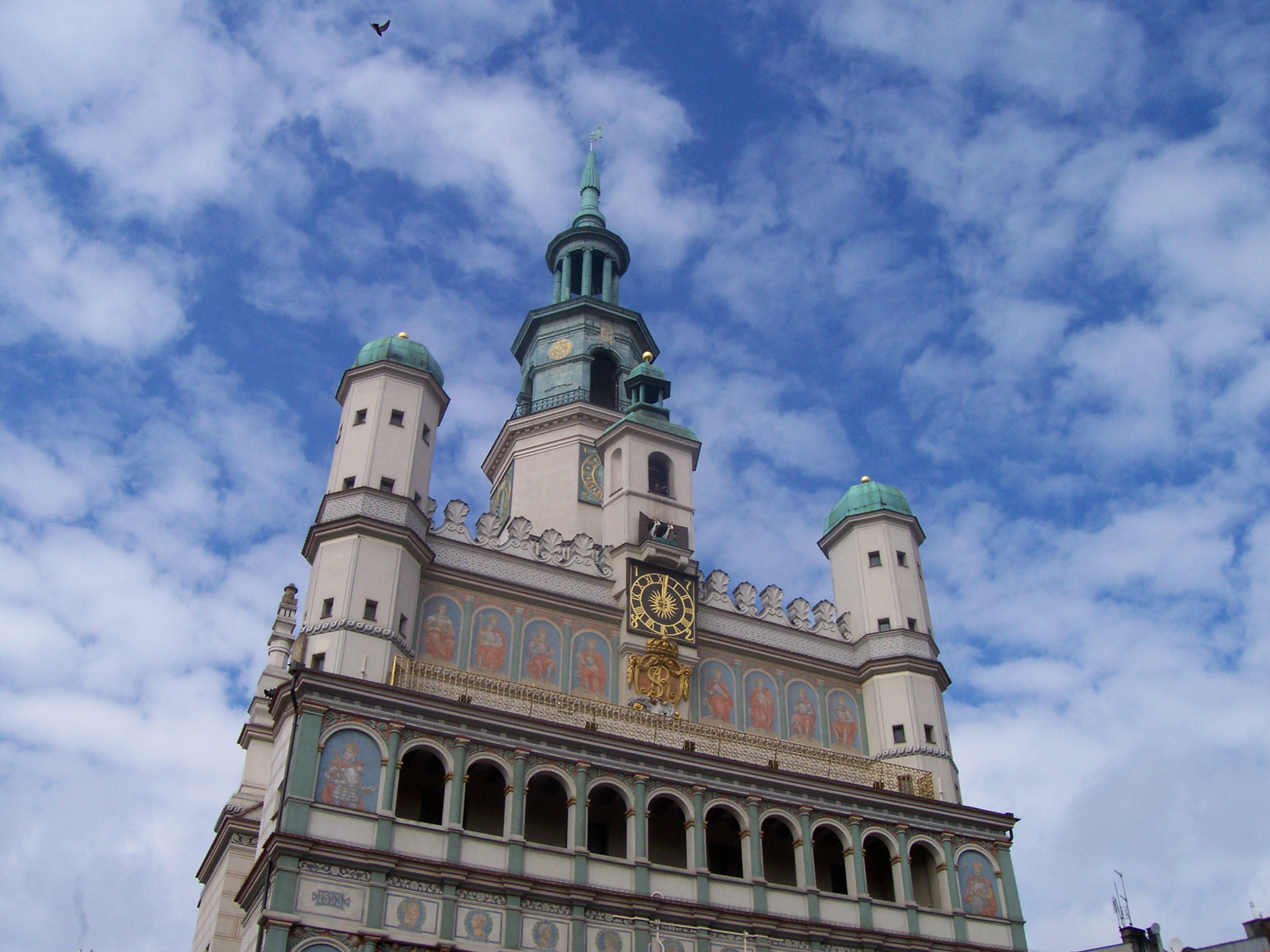
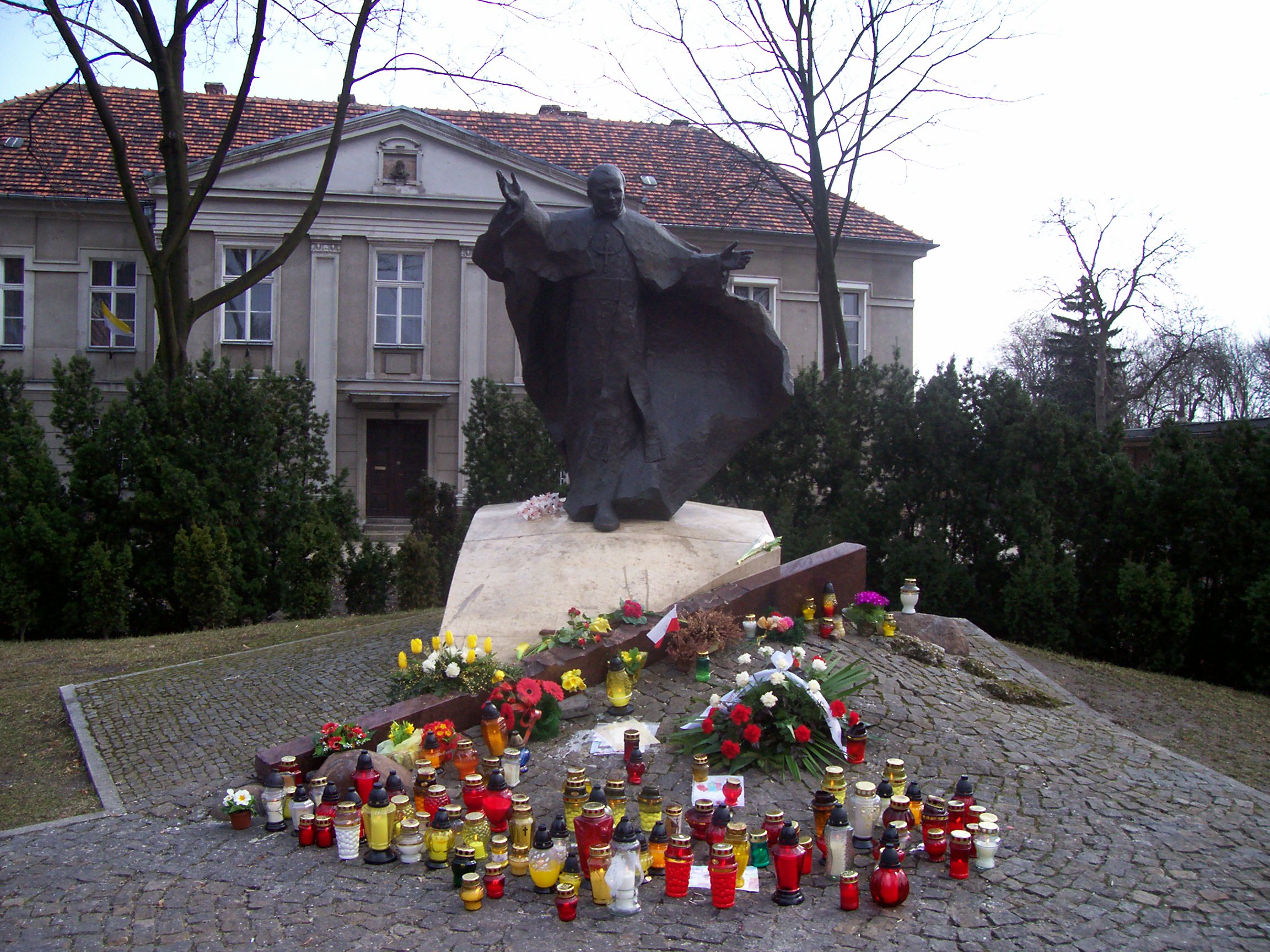
Poznan, Poland (March 31st-April 2nd)

I don’t remember much of Poznan, aside for the excellent local beer from the bar at the hotel. I think we saw more of the bar than the actual city.

Old town square

Former Pope, John Paul II memorial (about 90% of
the population in Poland is Catholic)

Gdansk, Poland (April 7th-9th)

I also don’t remember much of Gdansk, namely because all the Americans went there together, as an organized group, and I had a terrible time. I think I’ve blocked most of it out. I remember three hour dinners each night, having to sit at a table with fifteen other people I didn’t connect with. I drank a lot.

Solidarity memorial

Bird flu

Hurghada, Egypt (April 15th to 22nd)

We spent spring break in Egypt. It was great–I got to forget all the horrible social interactions in Poland, and I even forgot I had to go back. We bought our tickets through a Polish travel agency and ended up staying at a Polish resort.

Red Sea

Trip to Giza / Cairo

Resort

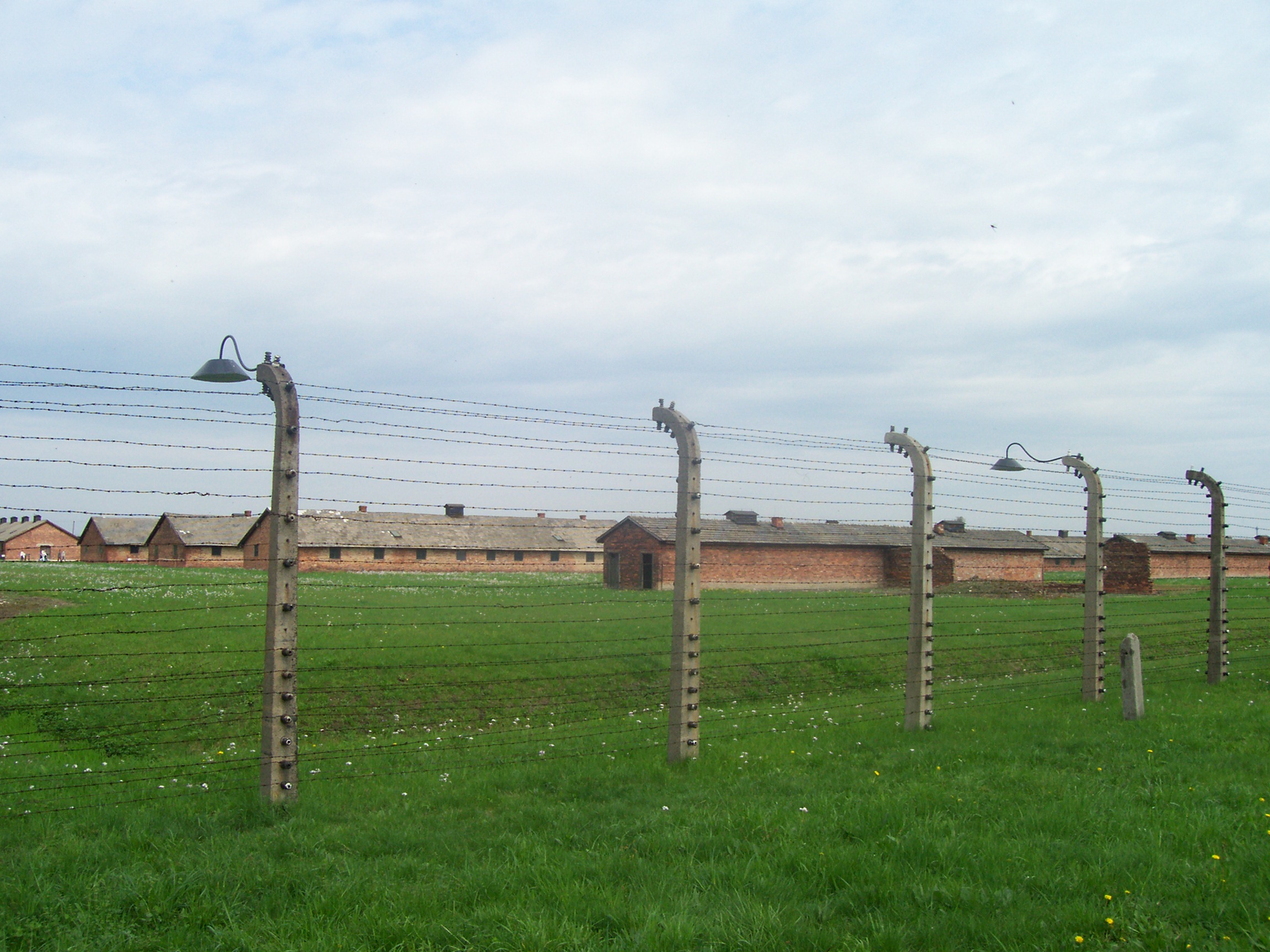
Krakow, Poland (April 30th- May 5th)

Krakow. Another group trip. Another disaster.

Auschwitz

Jewish cemetary

Salt mine

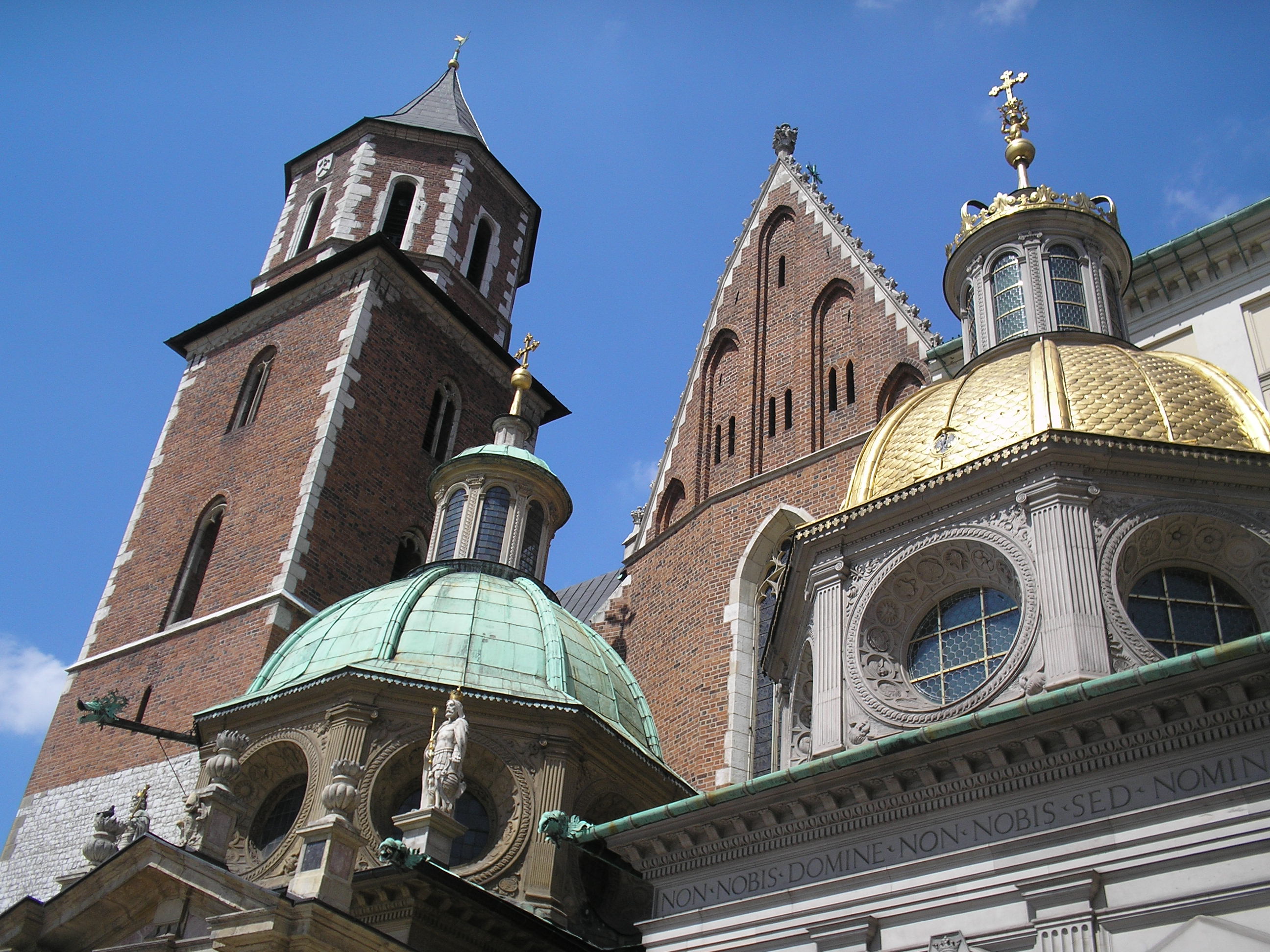
Wawel Castle

Amsterdam (May 6th-10th)

Amsterdam was a nice break–got high, saw Radiohead.
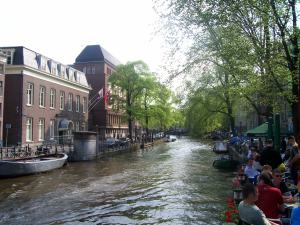
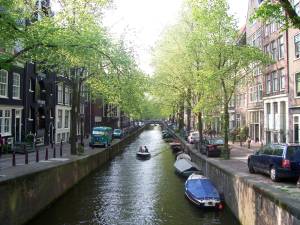
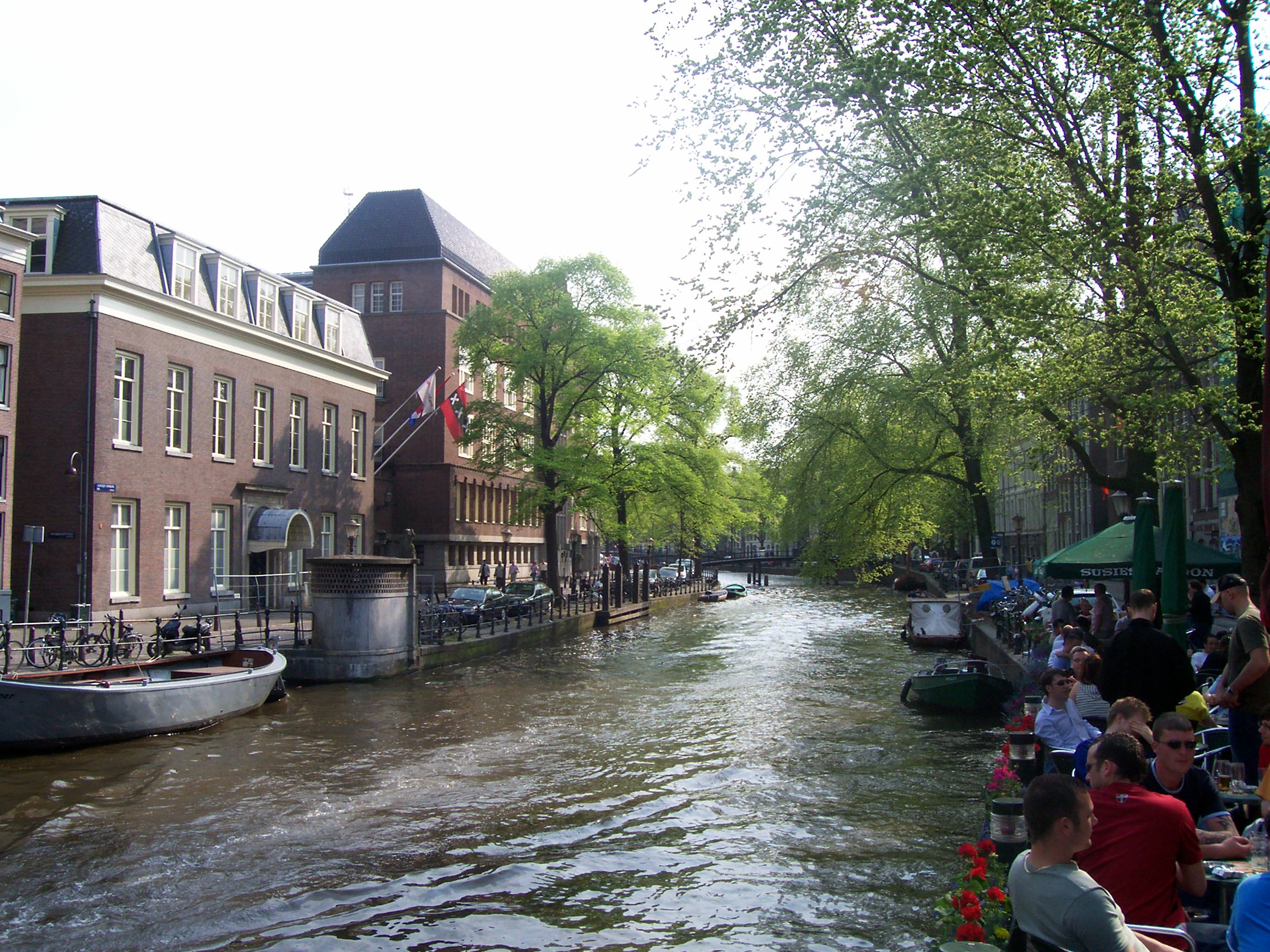
Canals

More canals

Pot

Heineken Brewery

Thom Yorke

Brussels (May 12th to 14th)

I wasn’t planning on traveling that weekend, but I found out we had a group dinner, and so I picked the cheapest flight. I was very depressed in Brussels. There also wasn’t much to do. I spent most of my time in the hostel and only came out for a few meals of ice cream and waffles. I got so bored, I took a train back to Amsterdam and got really, really high.

Cool church

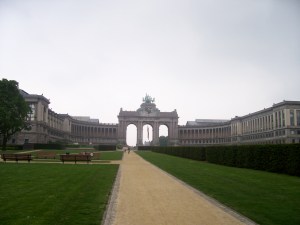
Arc de Triomphe

Random street

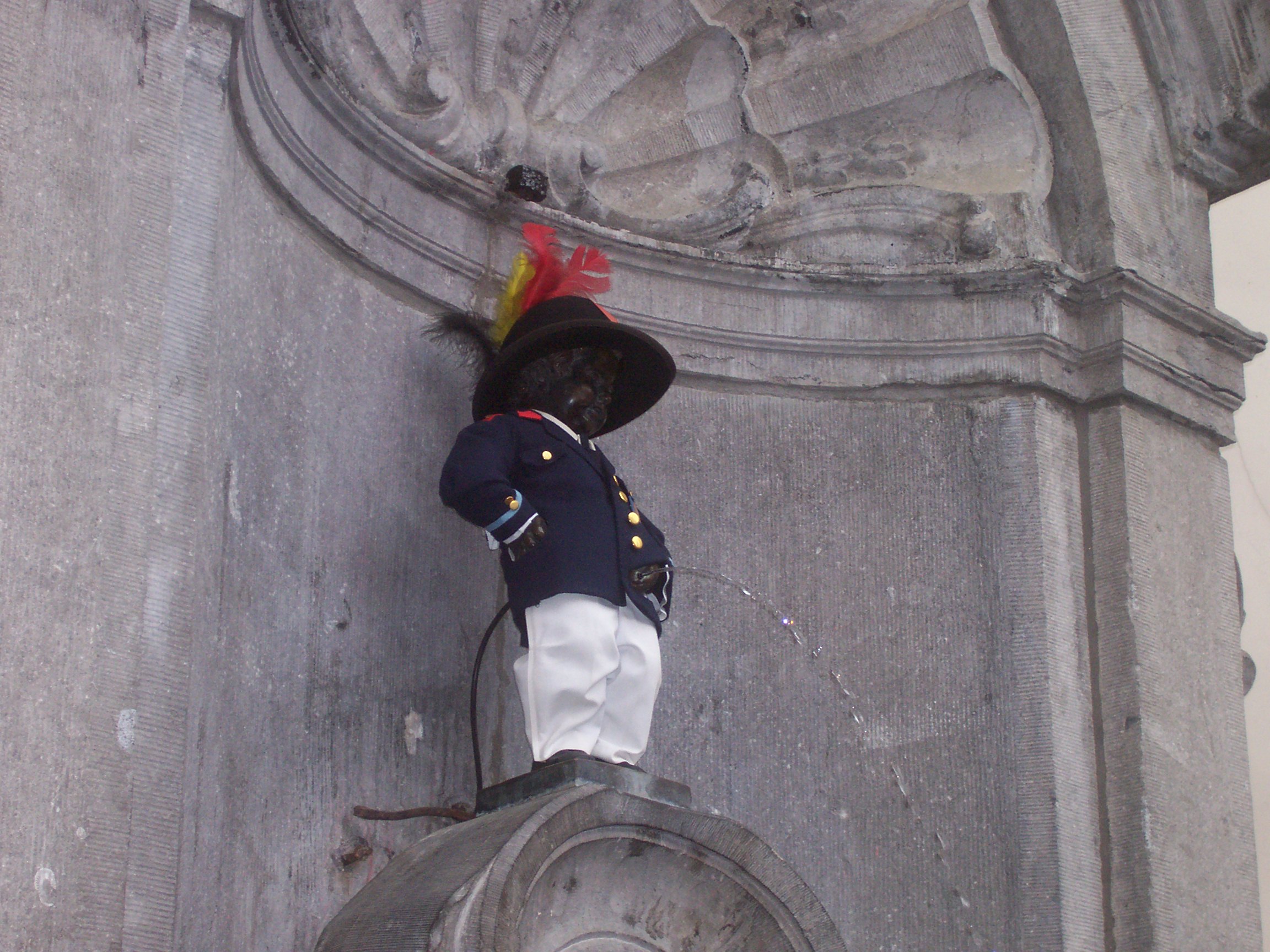
Manneken Pis

AFTER POLAND

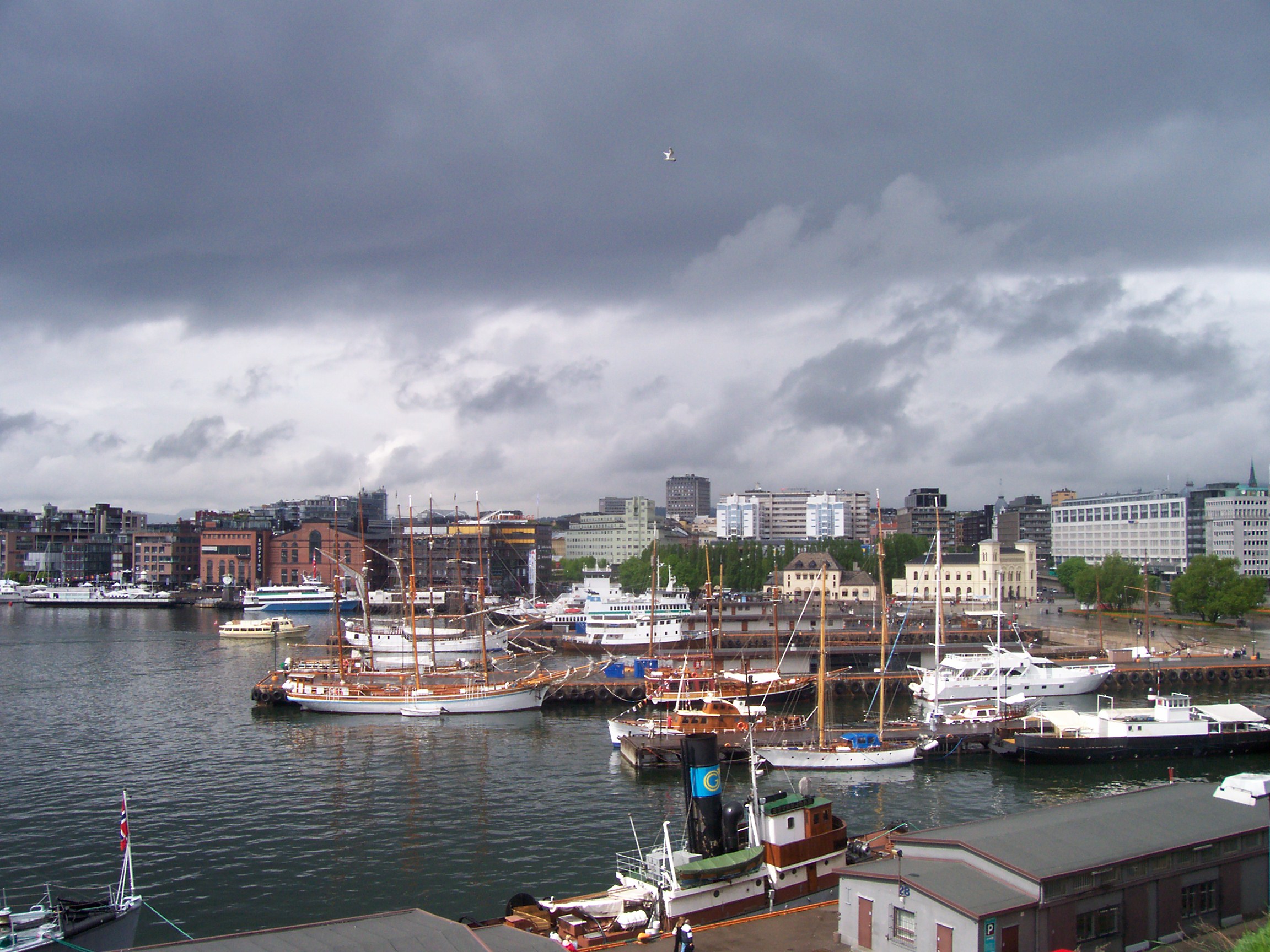
Oslo, Norway (May 21st to 23rd, 28th to 29th)

Saying goodbye to everyone in Poland was difficult. Those who really made connections with people were crying. I just felt like an outsider, giving forced smiles and hugs. When I stepped on the plane, I felt an immediate release. I could escape again.

Norway was beautiful, but Oslo wasn’t so great–just another big city.
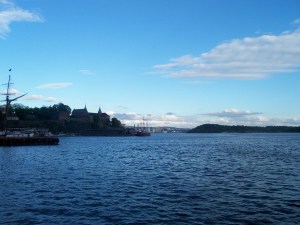
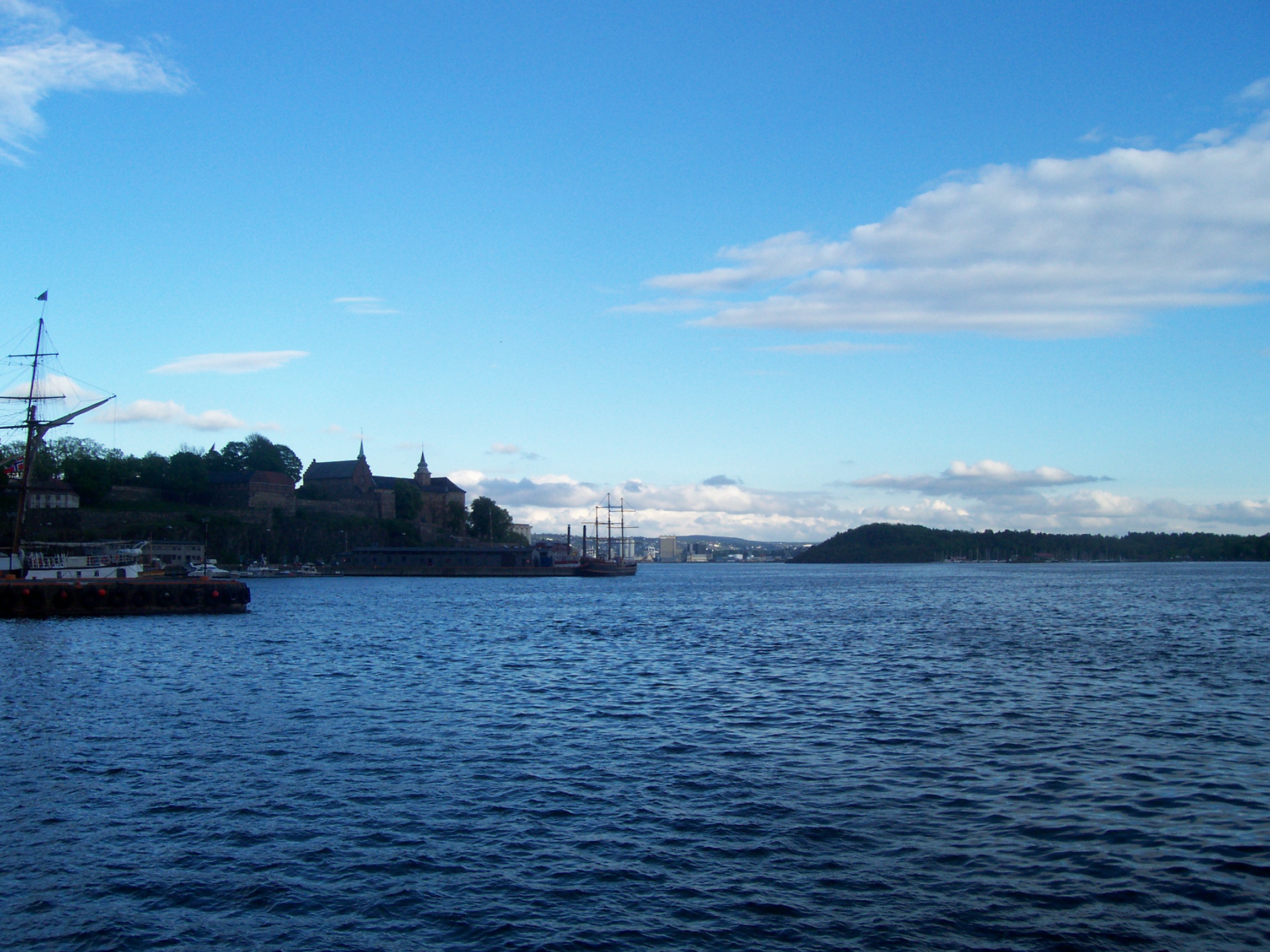
Harbor, round 1

Harbor, round 2

Vigeland Sculpture Park

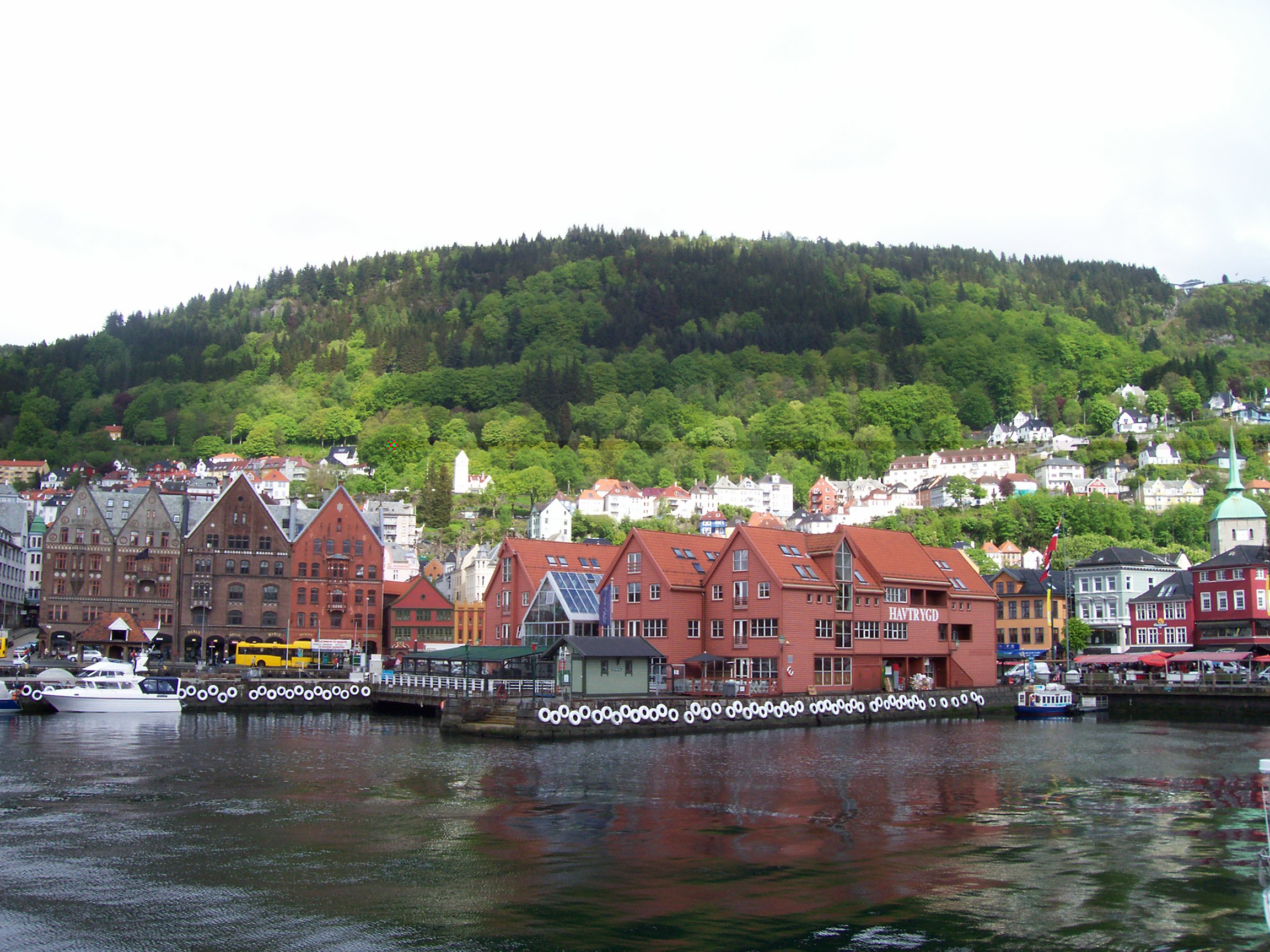
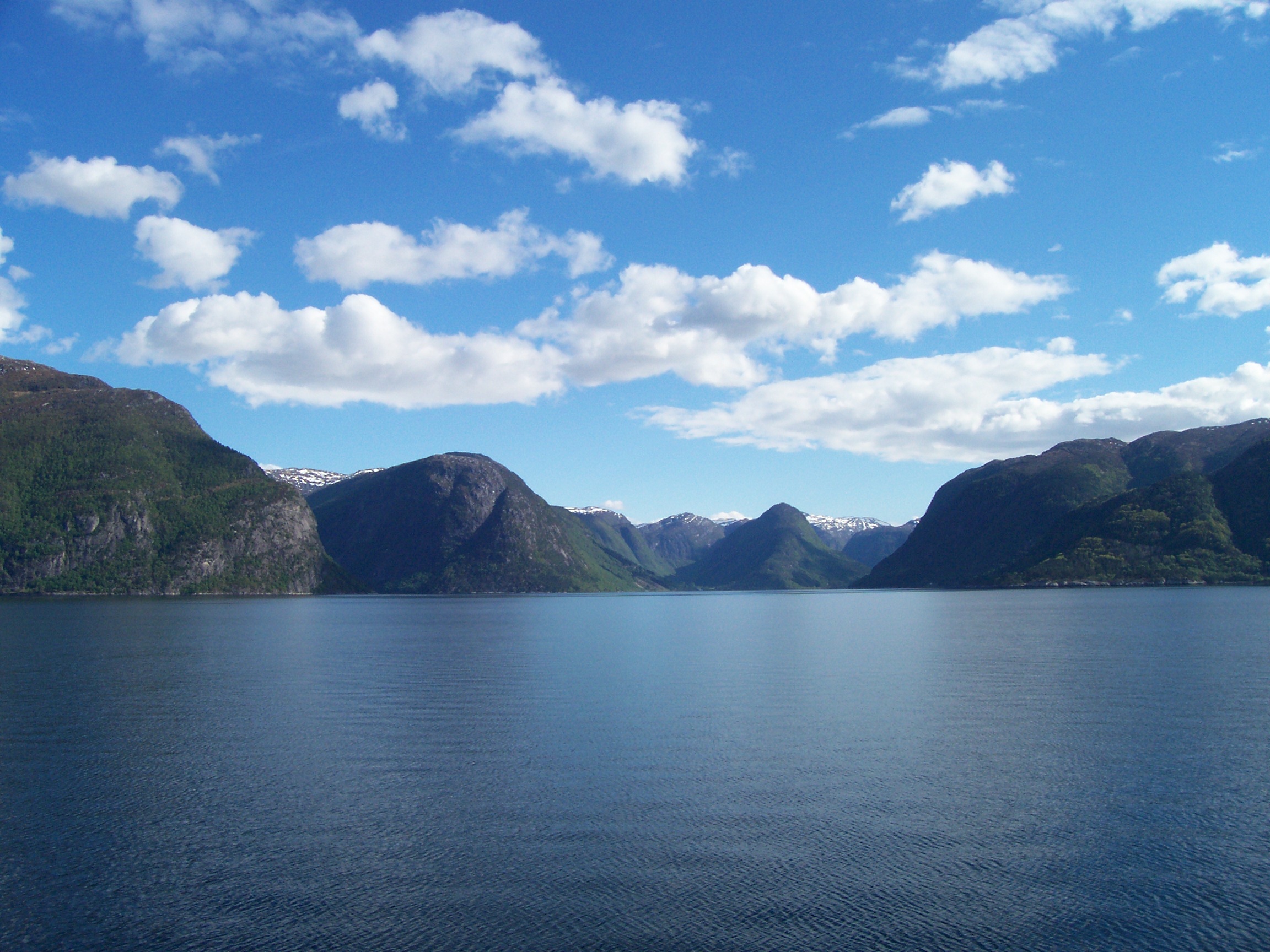
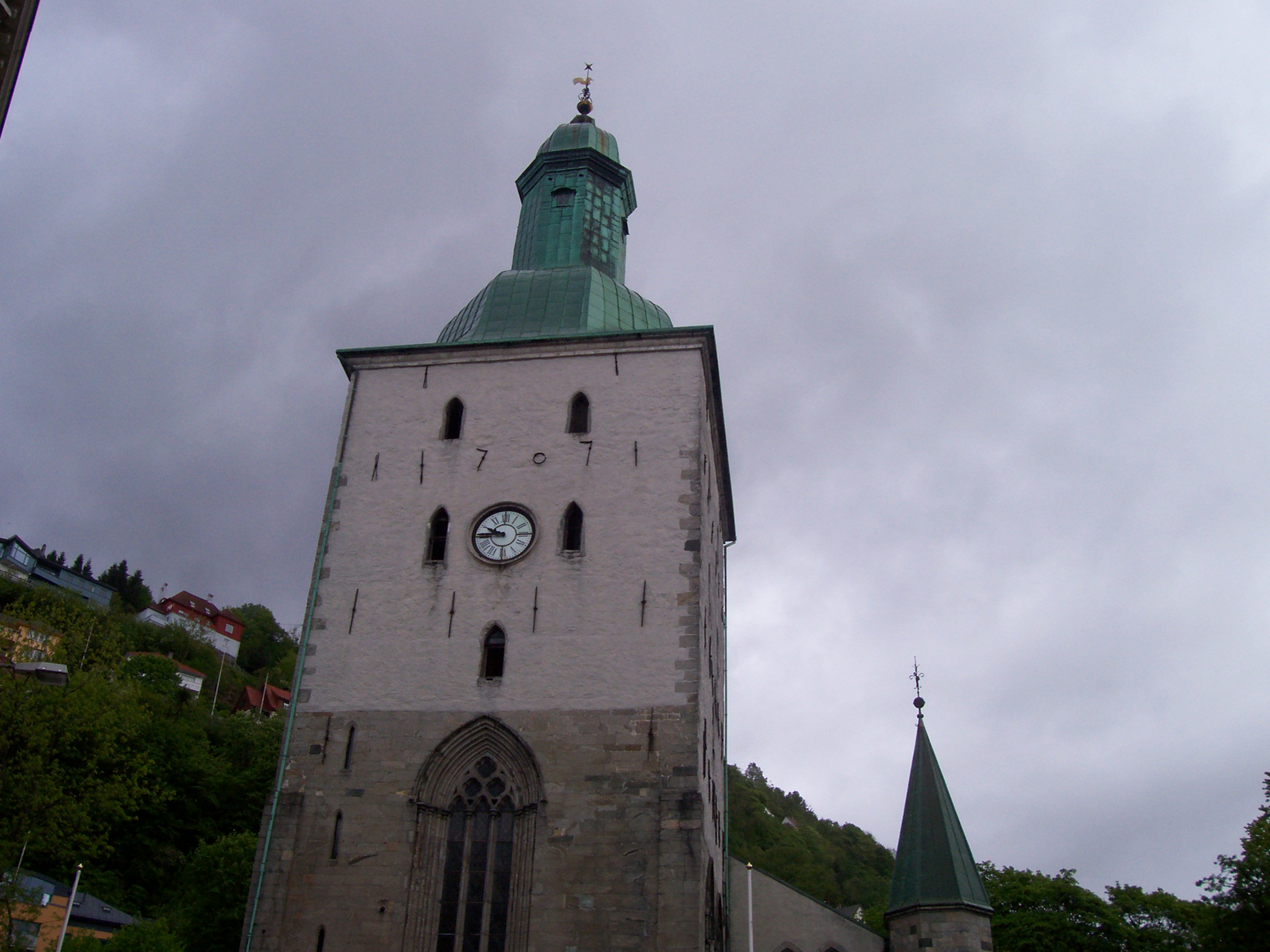
Bergen, Norway (May 23rd to 28th)

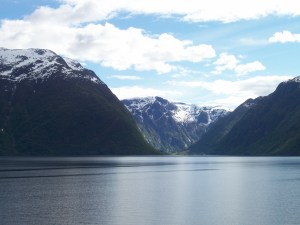
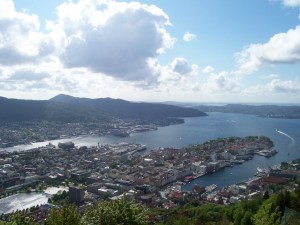
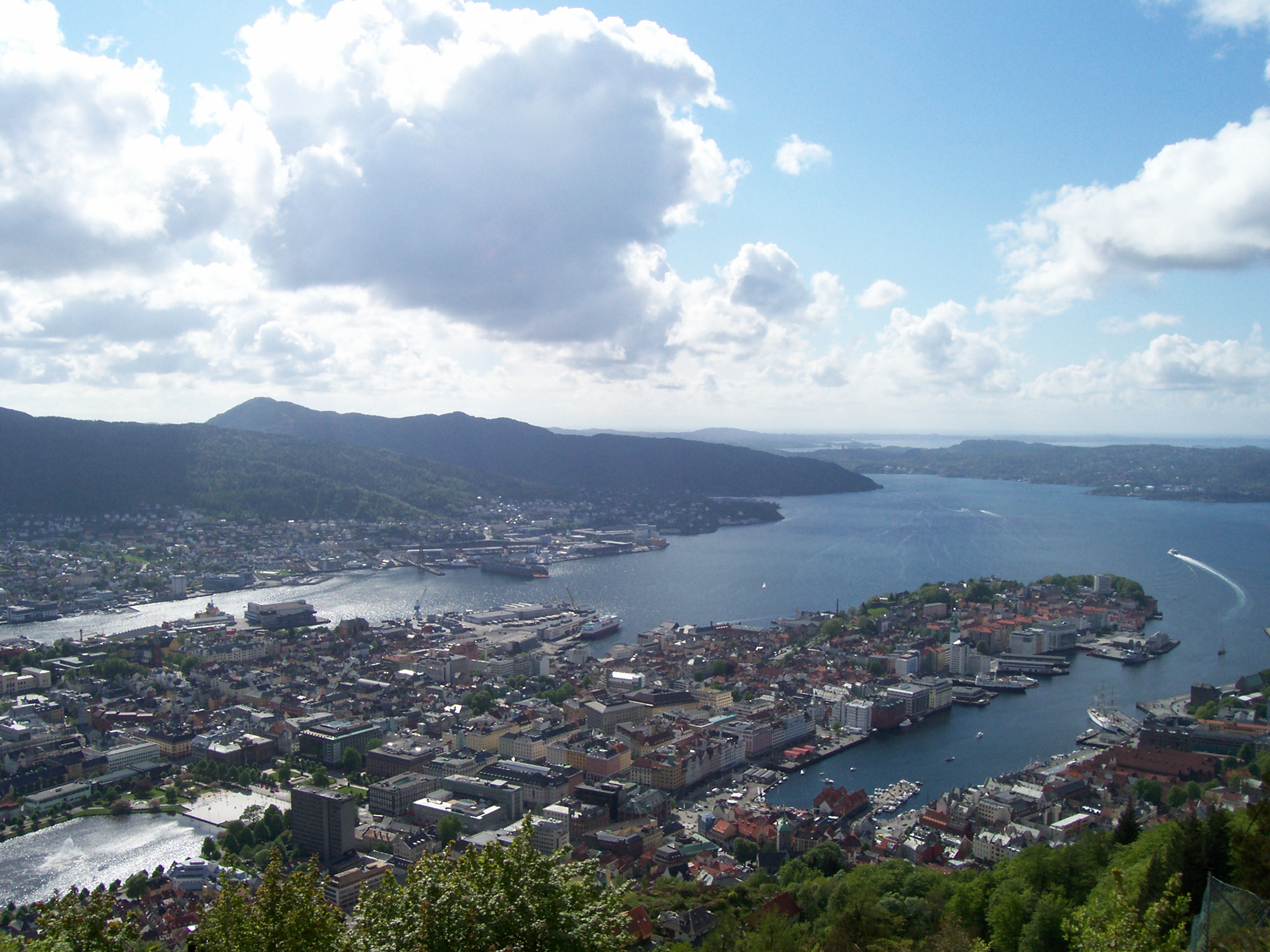
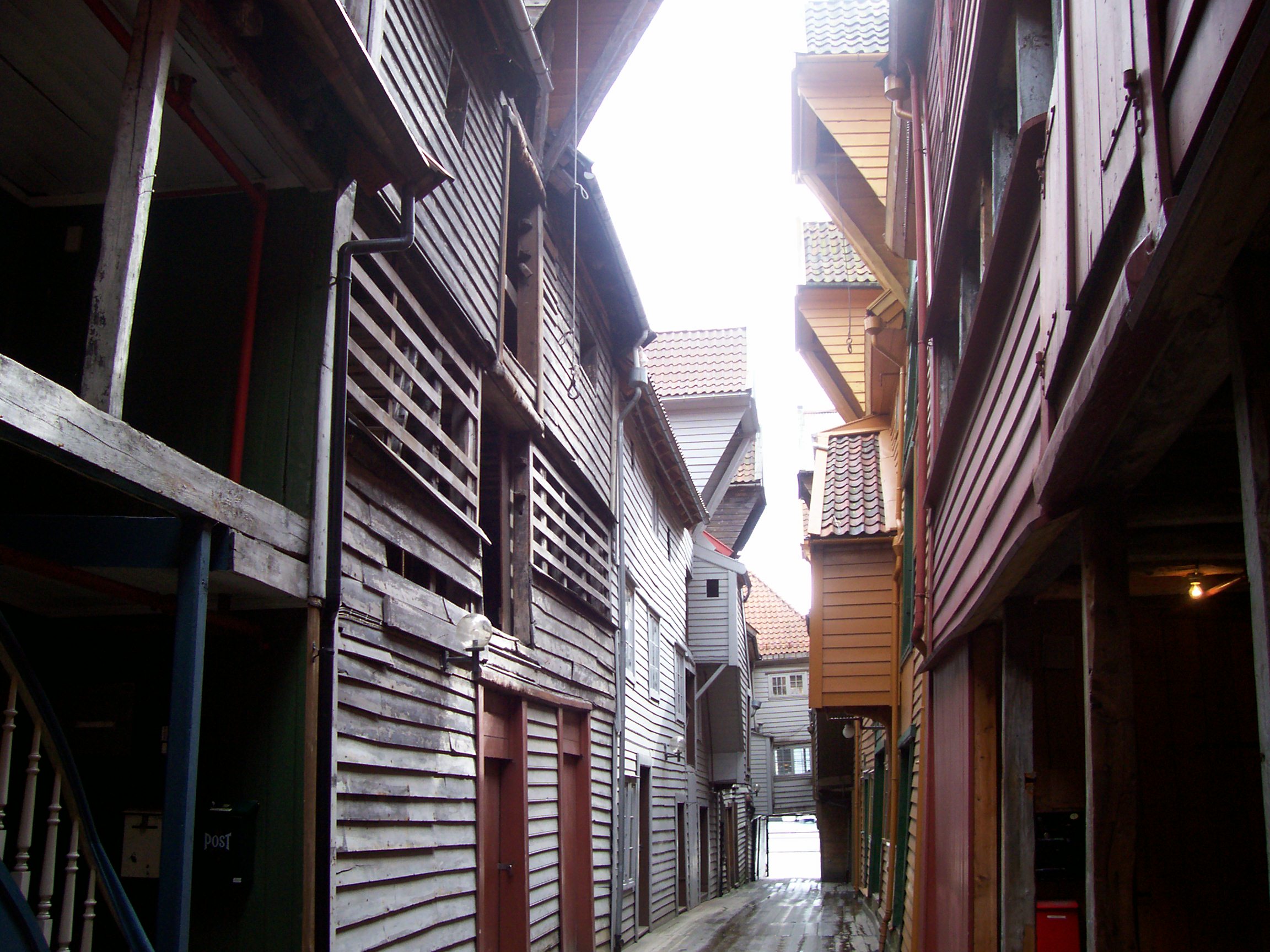
Bergen, a city surrounded by beautiful fjords and seven mountains, was absolutely amazing. So beautiful, so wonderful. I wanted to learn the language and stay there forever.
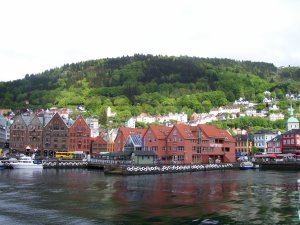
Harbor

Mountains ..

.. fjords

Cool church

City

Alley

London (May 29th to 30th)

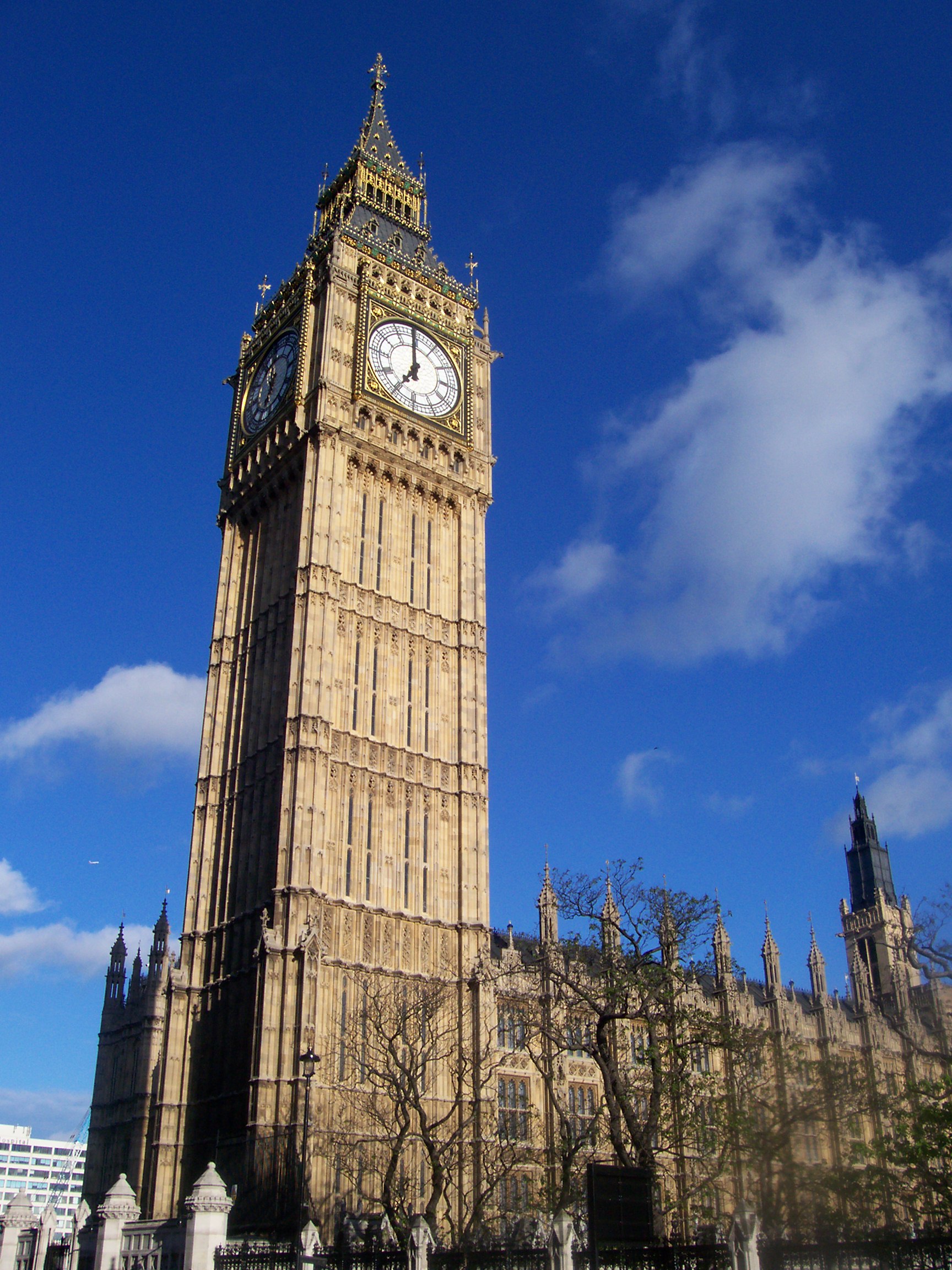
We had a layover in London before returning home. It was actually sunny, so I spent the day running around the city taking photos to make up for the gloomy photos from the first time around.

Big Ben

Big Ben, Westminster, London Eye

Colosseum

therapy, 9-28-10

Well, therapy this week continued right where we left off last Tuesday.

It was like I never left …

Last week I ended with- “Well, now I feel like I can’t bring anger into the room, which makes me angry.” And this week I began with- “I’m angry.”

I explained to Mr. J., my therapist, that I felt hurt because he didn’t listen to me last week. In our previous session, he made me angry because he changed the subject while I was in the middle of dealing with some difficult feelings, and he concluded that anger arose because the session was difficult for me–because I was trying to avoid something, in other words. I tried to explain that my anger was just anger but he didn’t listen.

He immediately apologized for not listening (which seemed sincere). I felt a lot better, and we moved on.

It’s interesting (and ironic, I guess) that I started going to therapy to get help with my relationships, and yet in the beginning of our session yesterday, we had to work on our relationship. A part of me thinks that was just a waste of time, but another part thinks that it’s great those feelings came up because my relationship with my therapist is a microcosm of how I view the world.

Once I become content with myself in therapy, and with our relationship, those feelings should extend to all my relationships.

***

Afterward, I told J. about my weekend (see the camping post, if interested), and we chose to look deeper at what’s behind my desire to keep my girlfriend away from my friends.

I’m very uncomfortable with my girlfriend connecting (or cathecting, as J. put it) with my friends, because in a past relationship my girlfriend “stole” one of my friends after we broke up–that is, for whatever reason, my friend stopped being friends with me (who I was friends with first) but kept hanging out with my ex. So I’m afraid this will happen again, and so my solution is to keep my girlfriend away from my friends, which is hard for me to do because she’s my “safe” person, so she ends up hanging out with most of my friends, and because she’s fun and outgoing and interesting (and I’m not) this makes me very uncomfortable (did I say that already?).

Why would so and so want to be friends with me when they can be friends with her–someone infinitely more interesting?

What’s more, I don’t have very many friends, and so I’m very protective of the ones I have, and I keep them at a distance because I’m afraid if they get too close, they’ll see the real me and then run the other way. Because of this I don’t have true relationships with them, and the relationships are very fragile.

“I don’t understand this behavior,” I told J. “I really want real friendships; I don’t like having to cling to my girlfriend all the time, but I just can’t seem to let my guard down. What can I do?”

“It’s simple,” he said. “Develop a relationship with yourself. Relationships come and go; the only constant is your relationship with yourself.”

If I can develop an inner relationships (sounds easy, right?) I will have stability in life no matter what comes my way, and the real me will open up. My friends will see this and will connect more with me.

Okay, sounds great. How do I do that?

“You’re doing it right now,” J. said. “We’re doing it together, you and I. I give you the space to be yourself–the real you, whatever that may be in the moment–in here, while you slowly open up to yourself. It’s a lifetime of work, but it’s necessary because you can’t have happiness and joy in your life if you don’t have affinity for yourself.”

“That’s too abstract,” I said. “It has no practical meaning for me now, in
the present. I don’t know what to do”

“You’re doing it.”

We sat in silence for some time.

“I know that you feel vulnerable and exposed in here,” he said breaking the silence, “but all I really see is a man trying to develop a relationship with himself. That’s all.”

“I feel like I’m twelve years old,” I said.

“You feel like you need someone to look up to and to take care of you?”

Yes. And I didn’t have anybody there–emotionally speaking–when I was twelve, but I do now–I have myself.

camping

I went camping in Big Basin over the weekend with a friend (Ms. M), my girlfriend, her brother, and two of his friends. It was rough weekend.

I hadn’t seen Ms. M. for quite some time, and, honestly, I think that my girlfriend connects more with her than I do at this point. But since I have very few friends, I’m very protective of the ones I have, so I’ve tried to keep my girlfriend and Ms. M. somewhat apart. (Which is a separate issue altogether.) Anyway, I rode down with her on Saturday, and it didn’t go well.

I put a lot of pressure on myself to try to somewhat reconnect with her. I had to say the right things. I had to be funny, witty, and interesting. I put so much pressure on myself and I worked myself up so much beforehand that I had to take something. I wanted to take an Ativan, but I took Propranolol by mistake. All my pills are getting mixed up because I have to cut them and I keep all of the cut halves together, in the pill cutter.

Mental note: pink = Ativan, round and white = Propranolol, triangle = Lamictal. Or maybe that’s pink = Propranolol, round = … ?

Anyhow, I didn’t live up to my expectations on the car ride. I didn’t always say the right things (I never do), and I wasn’t funny enough or witty enough or even interesting (I never am, never am, never am); and thus, I was very anxious throughout the ride. I think the second I got in the car in fact, I just wanted to be somewhere else. It was a different kind of hell being in that car with her, but it was still hell.

When we got to the campground, I stopped worrying about conversing with Ms. M. and started worrying about meeting my girlfriend’s brother’s girlfriend and her friend. They arrived with my girlfriend a day earlier. I was actually supposed to go with them but I avoided it, opting instead to ride with Ms. M. on Saturday.

Once I got through the formal introductions (which I think I’m great at)–

  • To my girlfriend’s brother’s girlfriend: “It’s nice to meet you.” (Smile, shake hand.)
  • To my girlfriend’s brother: “It’s nice to see you again. (Smile, shake hand.)
  • To my girlfriend’s brother’s girlfriend’s friend: “It’s nice to meet you.” (Smile, shake hand.)
  • To my girlfriend: “I missed you.” (Smile, hug, kiss.)

–I didn’t know what to do, what to say, or how to act. I wanted so much to make a good impression, but I really just sat there at the picnic table while everybody else conversed. I didn’t need to be there. Nobody cared.

After a quick breakfast, Ms. M., my girlfriend, and I went to Santa Cruz so they could register for the triathlon. I wasn’t in it but I wasn’t about to stay behind with the others. On the drive into town, I sat in the back, while my girlfriend and Ms. M. conversed, while I consciously told myself I wasn’t going to compete with them (or anyone) to say things: instead, I’ll just be quiet until there’s an opening. What that really meant: I just won’t talk and feel like shit because I’m not talking. I just stared out the window, wondering how I’d get through the weekend and why I was there to begin with. They acknowledged me once during the whole ride, commenting about how quiet I was.

I didn’t need to be there.

Back at the campground, I avoid conversation by taking a nap–and by that I mean I pretended to. I stayed awake, hoping that someone would say something bad about me so I could confirm my suspicion that I am a piece of shit. It didn’t happen, though, but then again, no one seemed to mind that I wasn’t around. I got up around 5:00 to help make dinner.

After dinner we all sat around the fire talking–everybody except me, that is. I didn’t say much to anyone the rest of the night.

Put simple, I felt very depressed throughout the day. But was my depression caused by my anxiety, or was it a mood swing? Probably both. I binged on Friday night and felt like shit (even more depressed) in the morning, and I think I went into the weekend feeling depressed, because of a mood swing, and then that depression made it even more difficult to engage socially, which, in turn, brought me down even further.

I barely slept that night, but I woke up on Sunday feeling a lot better. My girlfriend and Ms. M. left early for the triathlon, while I stayed behind to help the others pack up the campground. I ended up staying with them most of the day, watching the triathlon. I never really felt comfortable but I got by.

Pic of the athletes warming up:

I love watching endurance events because everyone gets so emotional. At the end of the race, I hung out by myself watching the runners cross the finish line. Some laughed. Some cried. Some shouted. Each one evoked emotion inside of me, and I started crying at one point. It was therapeutic.

When my friend crossed the finish line I gave her a big hug. I felt the connection between us. It felt good.

On the ride home, my elevated mood rose even higher. I couldn’t stop talking. What’s more, I was witty and funny and interesting and felt no anxiety, and I didn’t really want to say goodbye.

Overall, Sunday was a much different day than Saturday. On Saturday I felt so depressed I couldn’t converse with anyone, and during the night I felt suicidal. I didn’t feel even the least bit depressed on Sunday. I sought out social situations and spoke up rather than hide.

I hope others didn’t notice this swing.

Finally, I want to end with some positive thinking. I don’t think my girlfriend’s brother’s girlfriend liked me very much. I don’t really know why I think this, but I could just sense it. She didn’t really talk to me much and when she did it felt forced and she gave me some funny looks. I know it could be anything, but I’m interpreting it negatively. Interestingly, I feel somewhat okay with that–I’m not a bad person because someone doesn’t like me. There isn’t something inherently wrong with me because someone doesn’t like me. I don’t need to change something every time I come across someone who doesn’t like me.

Rinse. Repeat.

I hope everyone’s day went well, and I hope this good mood of mine lasts for a few more days!